
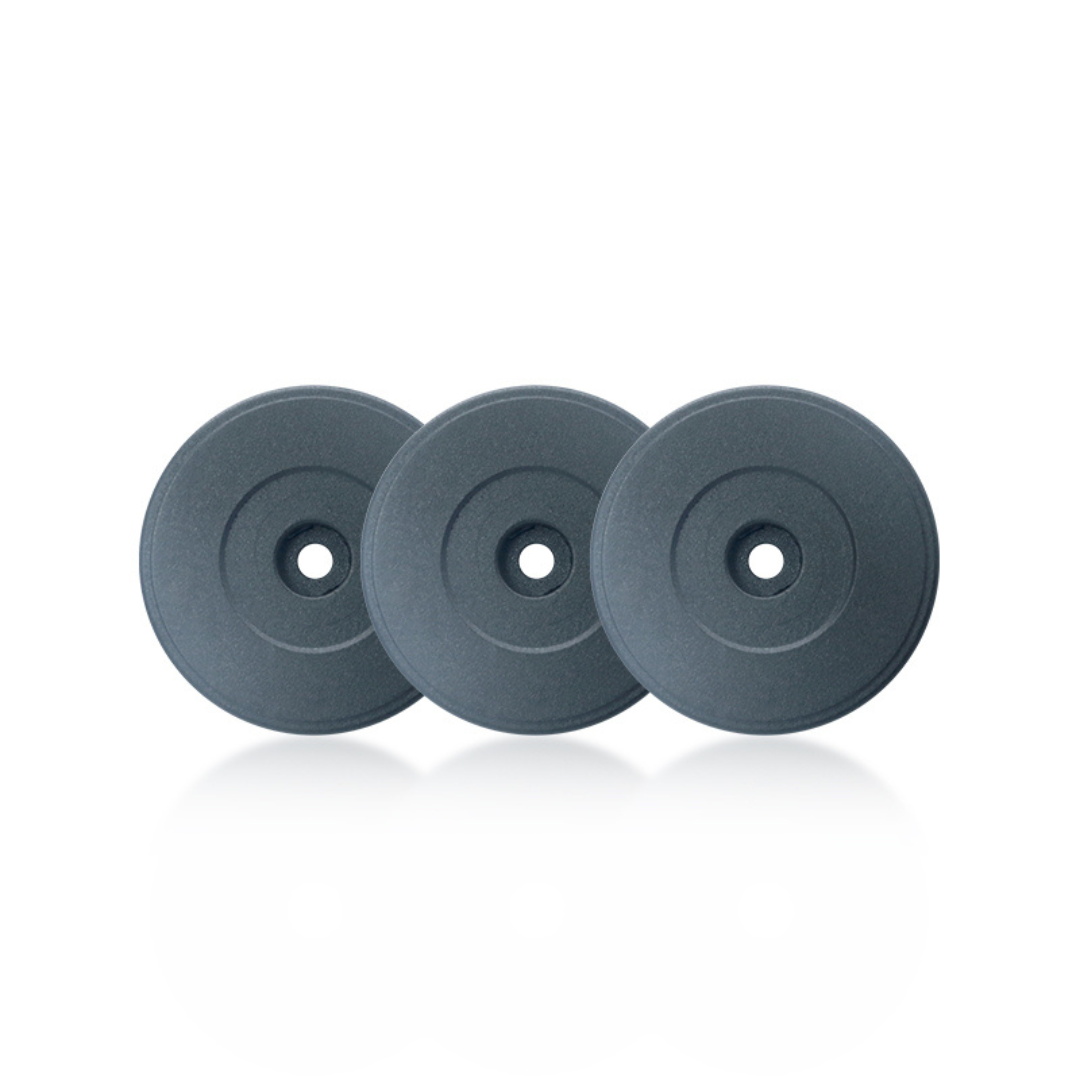
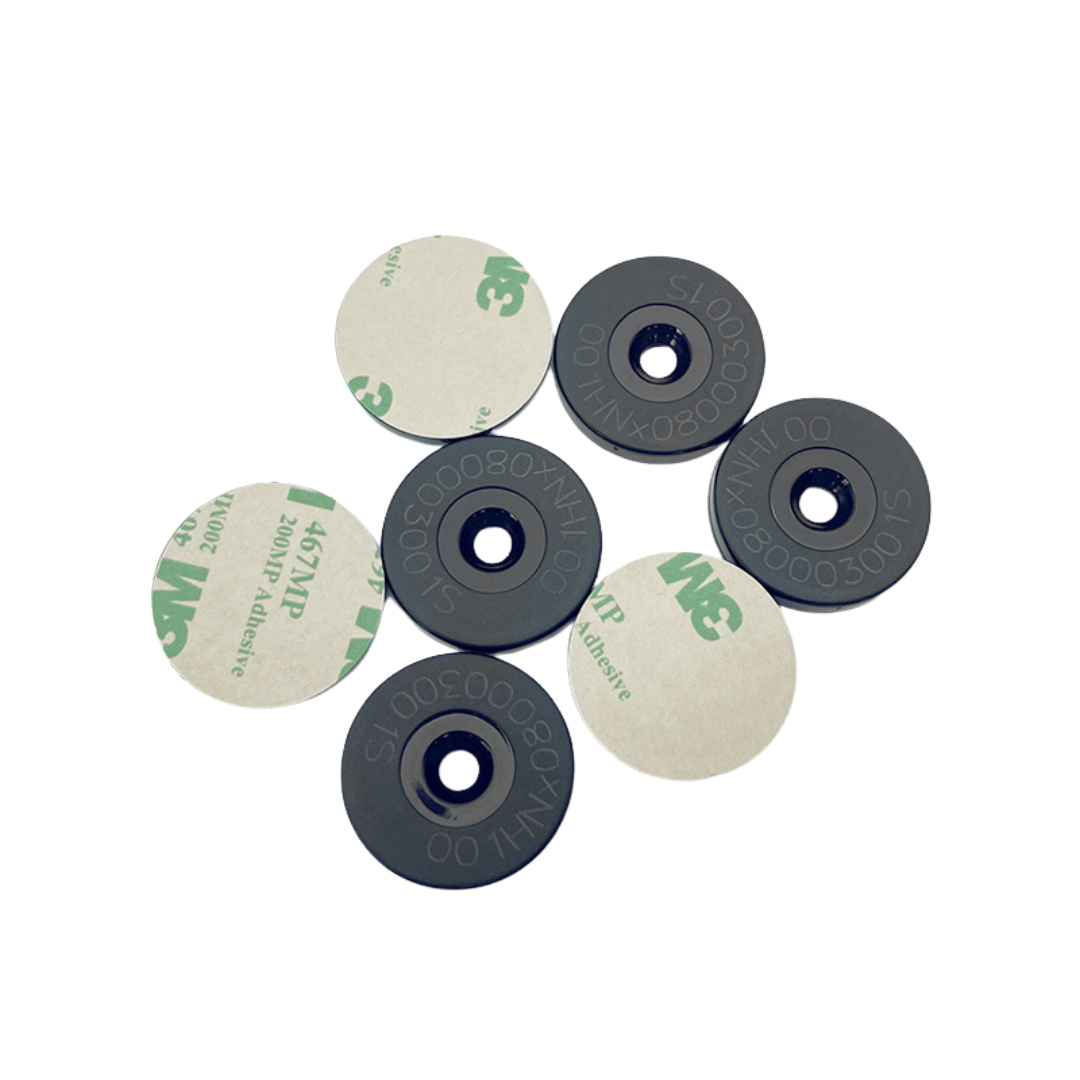
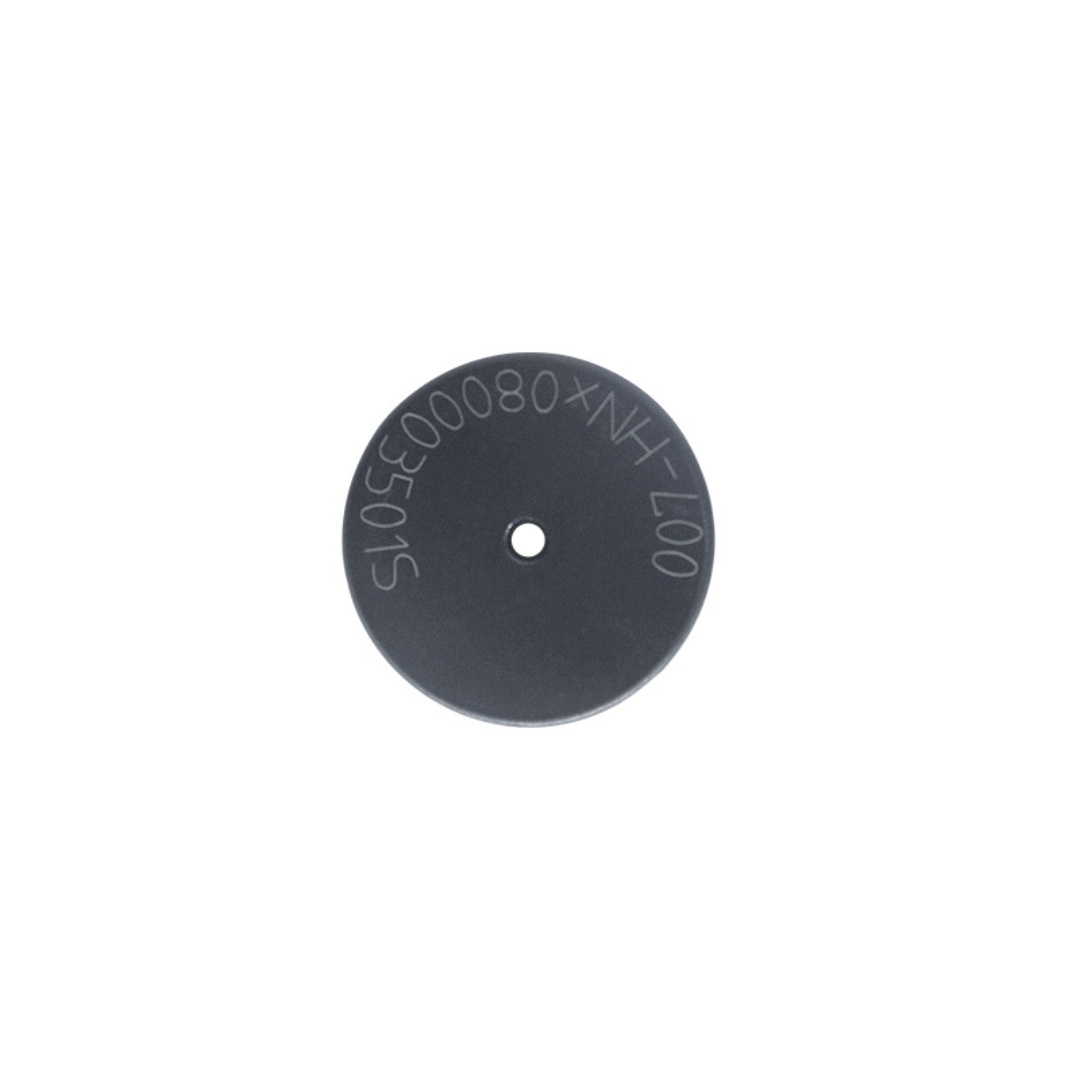
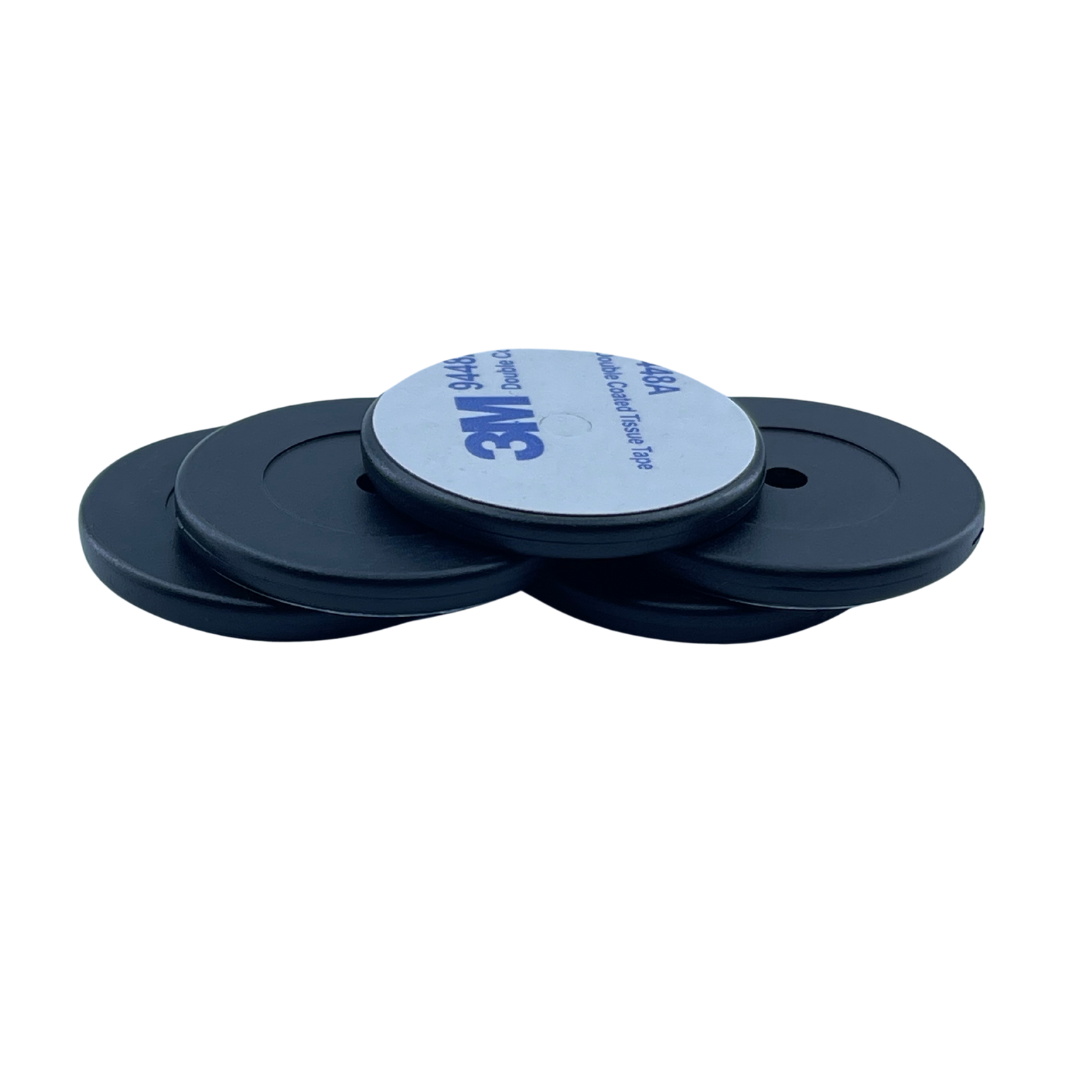
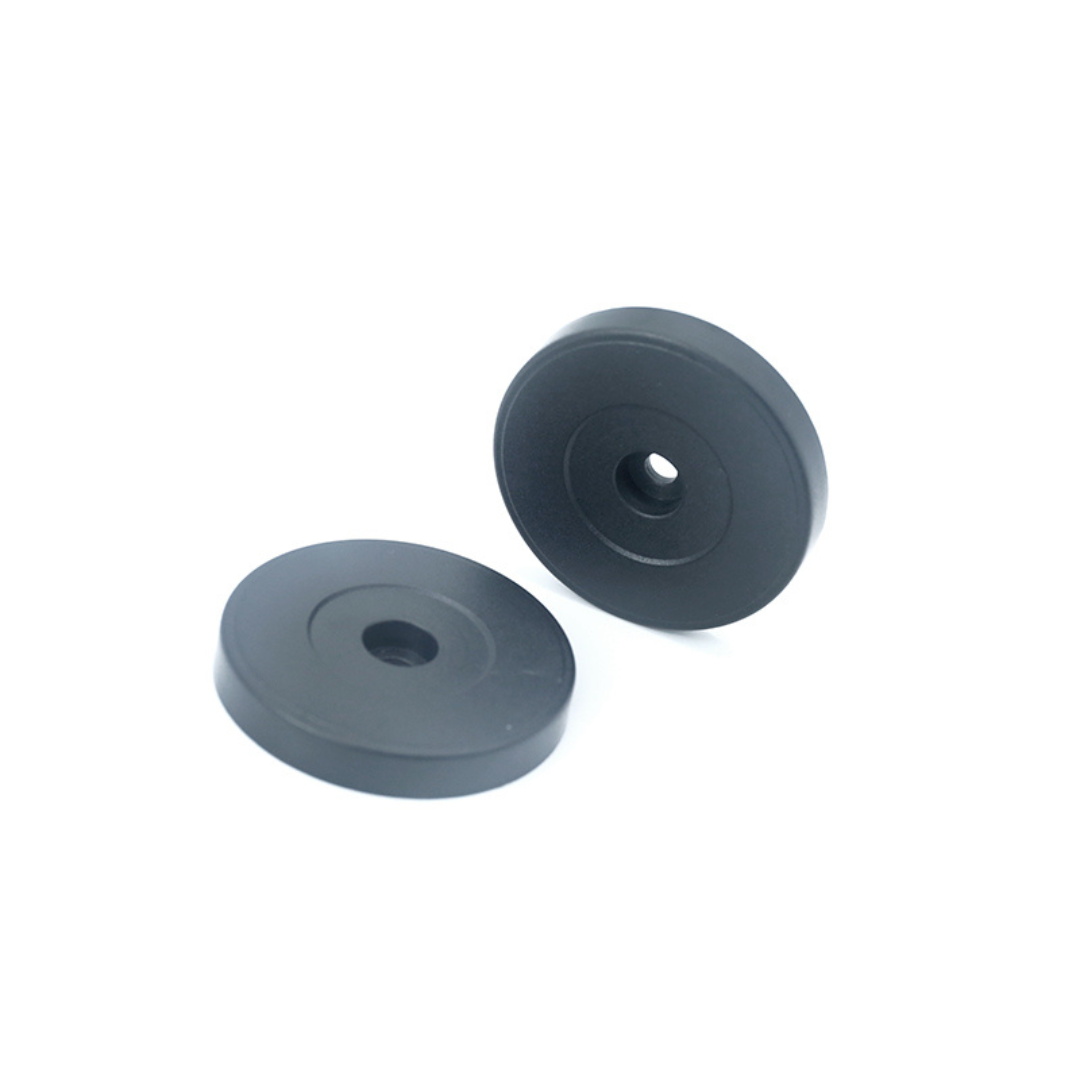
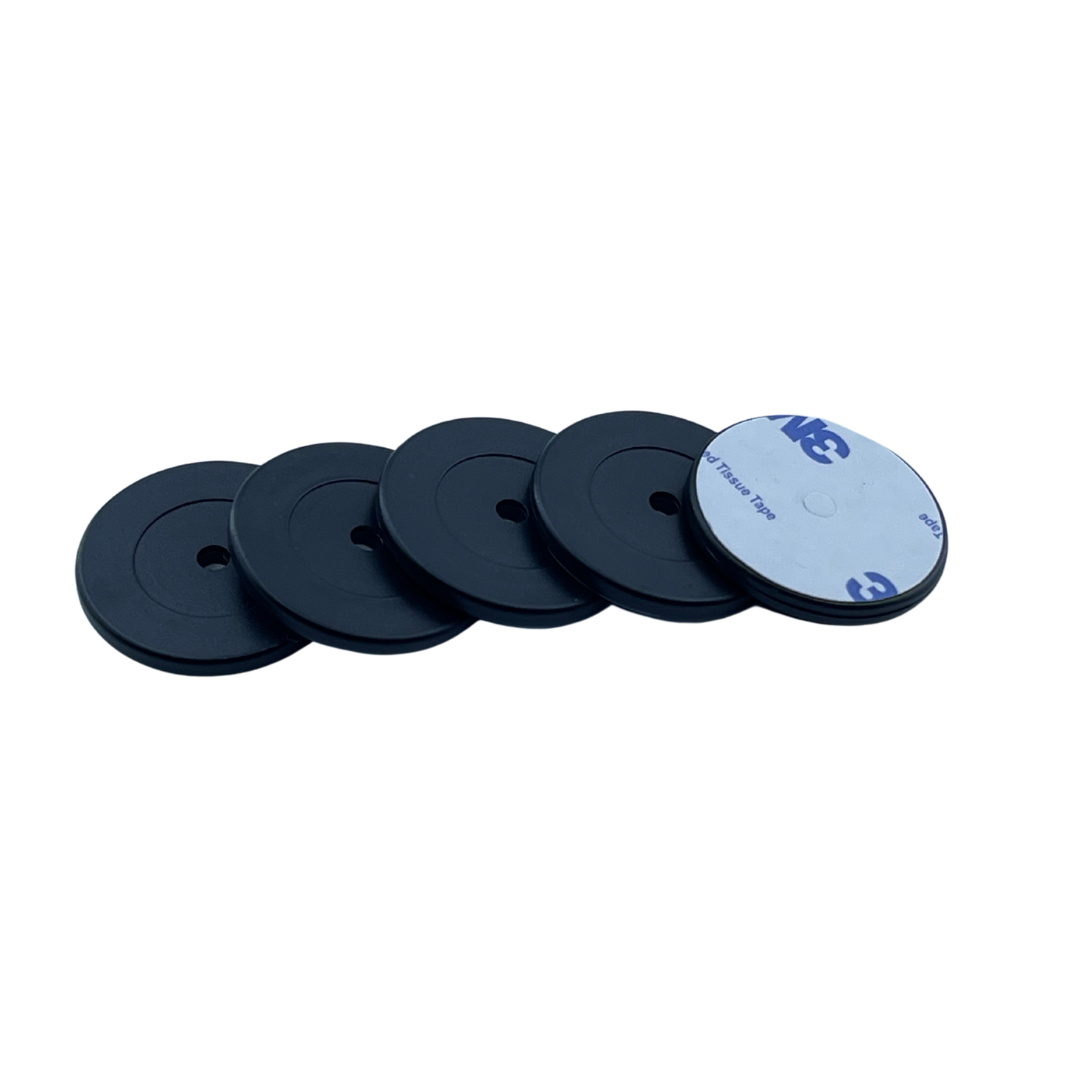

ABS Passive Mifare RFID Token Tag for Guard Tour Patrol System
What is an RFID Token?
An RFID token is a compact, contactless device for wireless identification and data transmission. Unlike traditional access cards, RFID token is designed to be small, portable, and durable — often used in keychains or wristbands.
These tokens are commonly used in access control, public transport, loyalty systems, event management, and industrial automation. Our ABS passive MIFARE RFID tokens are waterproof, tamper-resistant, and built to deliver long-term performance in both indoor and outdoor environments.
ABS Passive MIFARE RFID Token Overview
Our ABS passive MIFARE tag is an excellent choice if you need a reliable, cost-effective RFID token solution. It is designed for high-frequency RFID applications and offers secure, contactless data transmission and customizable options to match your branding and technical requirements.
Key Features
- High Frequency (HF): Operates at 13.56 MHz, ISO 14443A compliant
- Chip Compatibility: Supports MIFARE Classic 1K/4K, Ultralight, and MIFARE DESFire chips
- Strong & Durable: Made with ABS plastic, resistant to water, heat, and shock
- Applications: Perfect for building access, transportation, membership programs, time attendance, and warehouse tracking
- Custom Options: Logo printing, UID encoding, laser engraving, color choices available
- Form Factor: Lightweight, portable, can be attached to keyrings or lanyards
Technical Specifications
| Specification | Details |
| Material | High-strength ABS plastic |
| Chip Type | MIFARE Classic 1K (ISO14443A) |
| Frequency | 13.56 MHz |
| Memory | 1 KB EEPROM |
| Read Range | Up to 5 cm (depending on reader) |
| Dimensions | Diameter: 30 mm |
| Thickness: 3 mm | |
| Operating Temperature | -25°C to +65°C |
| Storage Temperature | -40°C to +85°C |
| Protection | Waterproof, dustproof, shock-resistant |
| Color Options | Black (custom colors available on request) |
| Mounting | Keychain, glue-on, insert-mountable |
Applications
This RFID token tag is widely used across a range of sectors:
- Guard Tour Patrol Systems – Easily assign, track, and log guard routes
- Security Checkpoints – Simplify patrol validation in warehouses, campuses, and parking lots
- Access Control Systems – Secure entry to doors, lockers, or restricted areas
- Attendance & Time Tracking – Use in schools, offices, or factories
- Inventory & Asset Management – Tag equipment or tools for identification
Ready to Order or Need a Sample?
We support:
- Bulk and wholesale orders
- Custom printing and coding
- Global shipping with fast turnaround
Request a Quote Now
Or WhatsApp us directly at +86 138 2318 6864
Our team will guide you to the right RFID solution based on your needs.
Frequently Asked Question
The top questions about RFID Token Tags.
Both use radio frequency for data transmission, but RFID tokens are smaller, more durable, and often attached to keychains, while cards are flat and wallet-sized.
Yes! We offer full customization including logo printing, serial number encoding, UID laser marking, and color matching.
Absolutely — we support bulk orders, samples for testing, and fast global shipping. Contact us for a quote.
RFID tags are read or detected using specialized fixed or mobile devices known as RFID readers. These readers activate the transponder through induction or electromagnetism, prompting it to transmit the stored information. RFID readers can come with either an integrated or an external antenna. Some models allow multiple antennas to be connected to a single reader, enabling the identification of tags at various locations or providing precise coverage of a specific area.
RFID technology operates at various frequencies, each with unique characteristics and governed by ISO standards. Here are the most common RFID frequency categories:
125/134 kHz – RFID LF (Low Frequencies): Governed by the ISO 18000-2 standard, these low-frequency tags have a reading distance of a few centimeters and a low data transmission speed. They are primarily used for animal identification, vending machines, burglar alarms, and access control.
13.56 MHz – RFID HF (High Frequencies): Governed by the ISO 18000-3 standard, these high-frequency tags have a reading distance of up to 10 centimeters and a low to medium data transmission speed. This frequency is also known as NFC (Near Field Communication) and is increasingly popular because many smartphones can act as readers, enabling various innovative applications.
860-960 MHz – RFID UHF (Ultra High Frequencies): Governed by the ISO 18000-6 standard, UHF tags have a reading distance of several meters, even with passive tags. There are variations between UHF readers using US and European standards, but the RAIN standard ensures compatibility with both. UHF tags are widely used for logistics, inventory management, timekeeping, and access control.
5.8 GHz – RFID SHF (Super High Frequencies): Governed by the ISO 18000-5 standard, this is the highest RFID frequency range. It includes only active tags with internal batteries, allowing detection distances of hundreds of meters. A common example of SHF tags is those used for electronic toll collection (ETC).
The most affordable RFID tags can cost just a few cents and are typically designed as adhesive labels. These low-cost tags are often used in retail or logistics for single-use applications in non-durable settings. The price of RFID tags can vary based on factors such as the chip’s capabilities, memory size, and durability against conditions like heat, impact, freezing, sunlight, and chemicals. Costs can range up to several dollars depending on these factors. Additionally, active tags, which include a battery, are generally more expensive than passive tags.
Related Products
Customize any RFID tags from our factory to meet your requirements.