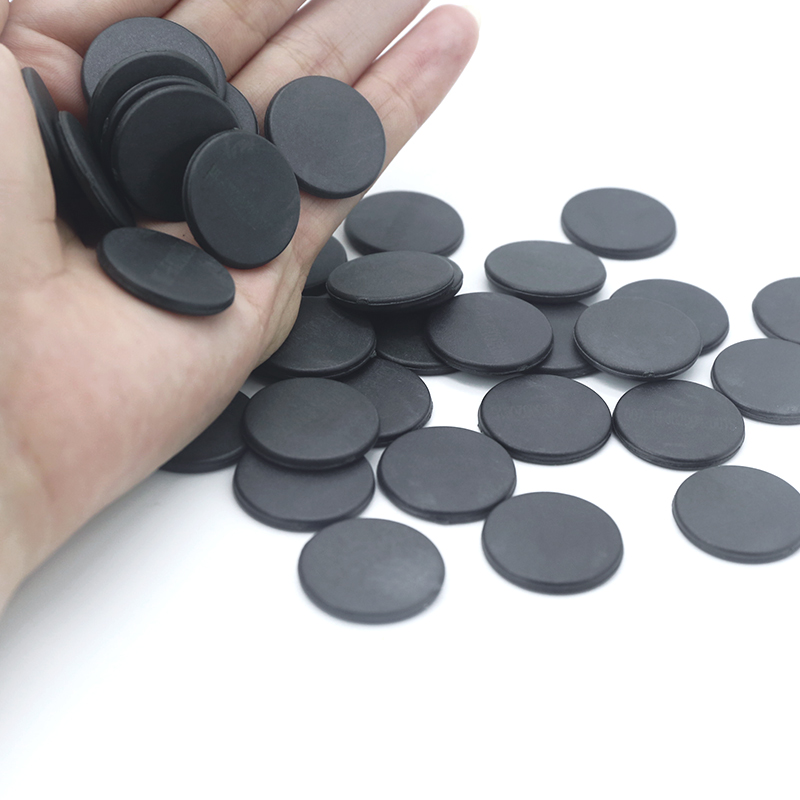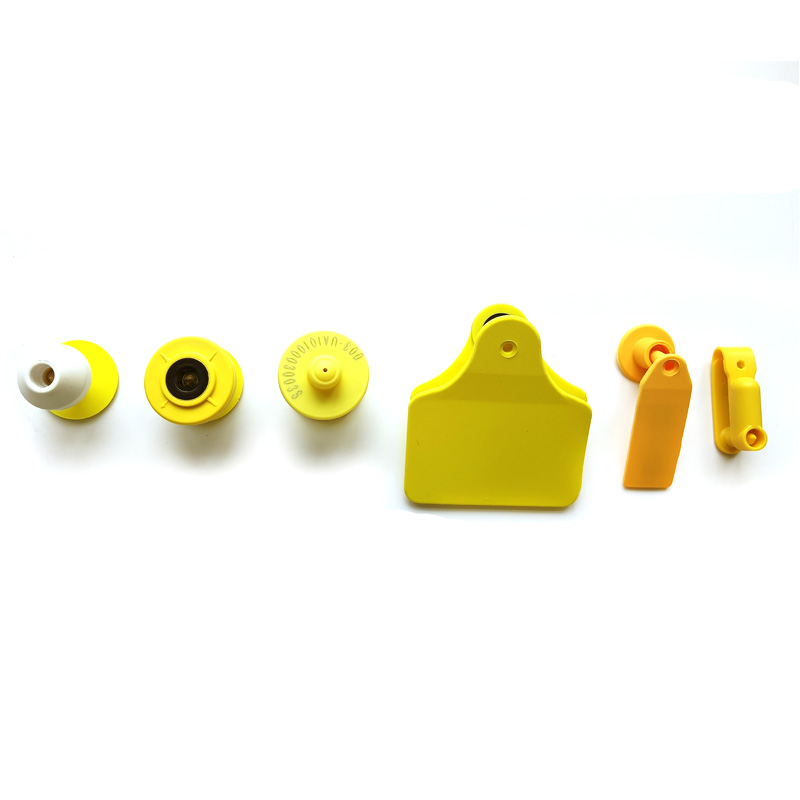
Passiivinen RFID-tunniste on RFID-tunniste, jossa ei ole sisäistä virtalähdettä. Se ei voi toimia tai lähettää itse. Sen sijaan se toimii vain, kun se tulee RFID-lukijan kenttään.
Lukija lähettää radioenergiaa, tunniste kerää pienen osan tästä energiasta antenninsa kautta, käynnistyy hetkeksi ja palauttaa sitten tallennetut tunnistustiedot lukijalle. Jos lukijakenttää ei ole, passiivinen tunniste pysyy passiivisena.
Passiivinen RFID-tunniste koostuu yleensä kahdesta keskeisestä osasta: mikrosirusta, joka tallentaa tunnistetiedot, ja antennista, joka kerää energiaa ja mahdollistaa vastauksen.
Miten passiiviset RFID-tunnisteet toimivat (askel askeleelta)
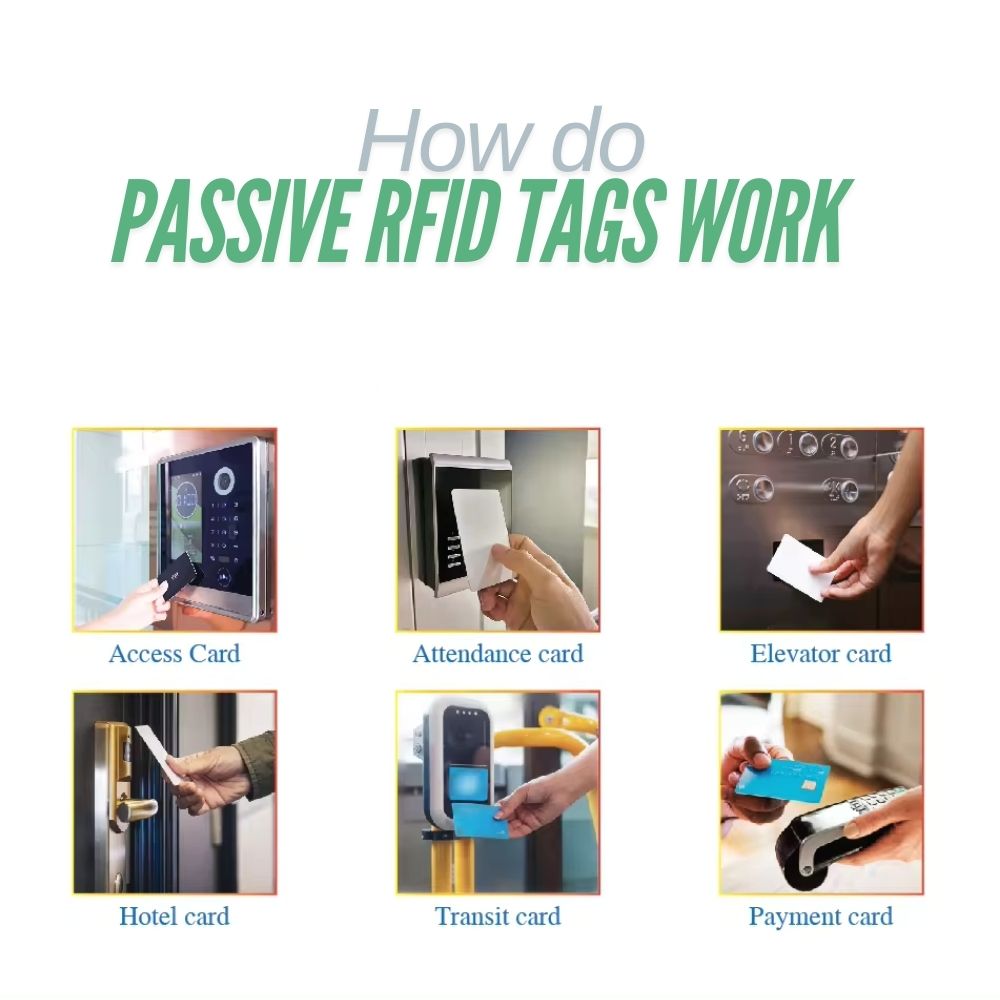
Passiiviset RFID-tunnisteet toimivat lukijalähtöisen viestintäprosessin avulla. Tunniste ei lähetä jatkuvasti. Se vastaa vain, kun lukija aktivoi sen.
Työprosessi etenee seuraavasti:
Vaihe 1: Lukija lähettää radiotaajuusenergiaa.
RFID-lukija tuottaa sähkömagneettisen kentän antenninsa kautta. Tämä kenttä sisältää sekä energiaa että viestintäsignaaleja.
Vaihe 2: Tunnisteen antenni sieppaa energiaa.
Kun passiivinen RFID-tunniste tulee tähän kenttään, sen antenni imee osan radiotaajuusenergiasta. Siepattu energia muunnetaan sähköenergiaksi.
Koska passiivisissa tunnisteissa ei ole paristoa, tämä kerätty energia on sirun ainoa virtalähde.
Vaihe 3: Mikrosirun virta päälle
Kun tarpeeksi energiaa on kerätty, tunnisteen sisällä oleva mikrosiru aktivoituu. Tätä kutsutaan aktivointikynnyksen saavuttamiseksi.
Jos kentän voimakkuus on liian heikko, siru ei käynnisty eikä tunniste vastaa.
Vaihe 4: Lukija lähettää komennon
Aktivoinnin jälkeen lukija lähettää komentosignaalin. Tämä komento voi pyytää tunnisteen tunnistenumeroa tai suorittaa muun sallitun toiminnon, kuten tietyn muistitiedon lukemisen.
Vaihe 5: Tunniste vastaa takaisinsirontaan
Sen sijaan, että tunniste loisi uuden radiosignaalin, se muuttaa lukijan signaalin heijastuskuviota. Tätä prosessia kutsutaan takaisinsirontamodulaatioksi.
Tunniste koodaa digitaalista dataa heijastuneeseen signaaliin vaihtamalla nopeasti sisäistä kuormaa.
Vaihe 6: Lukija vastaanottaa ja purkaa vastauksen.
Lukija havaitsee pienet muutokset heijastuneessa signaalissa ja purkaa lähetetyt tunnistetiedot.
Koko prosessi tapahtuu millisekunneissa.
Passiiviset RFID-taajuudet
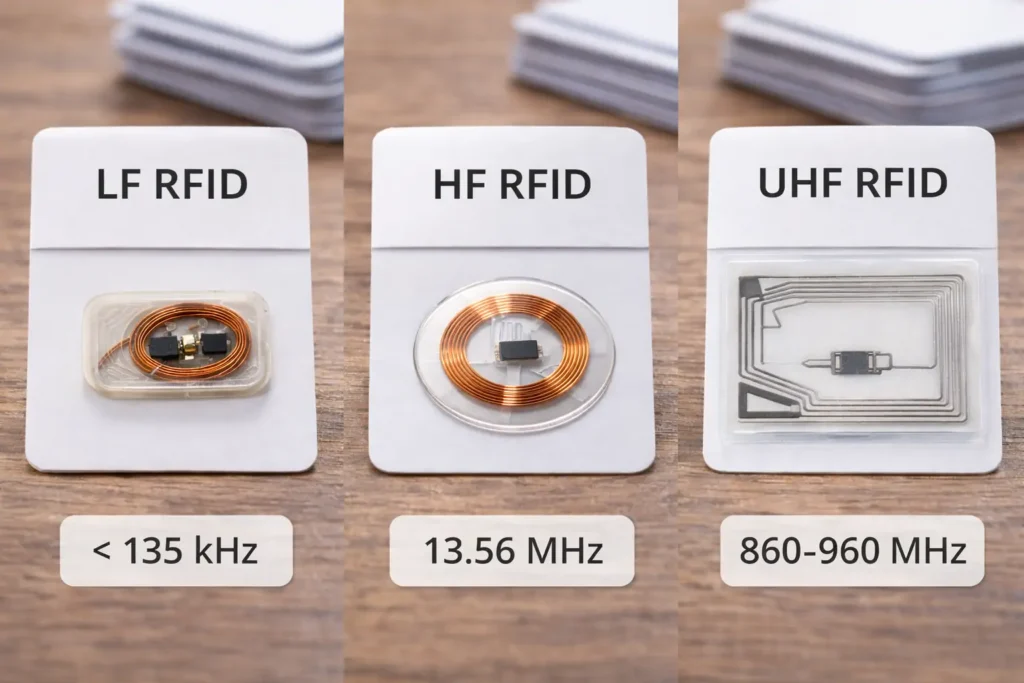
Passiiviset RFID-järjestelmät luokitellaan toimintataajuuden mukaan, koska taajuus määrittää sähkömagneettisen kytkentämenetelmän, antennirakenteen, signaalin käyttäytymisen ja tyypillisen käyttöympäristön. Passiivisen RFID:n kolme pääluokkaa ovat matala- (LF), korkea- (HF) ja ultrakorkea (UHF) taajuus.
LF Passiivinen RFID
LF-passiivisella RFID:llä tarkoitetaan yleensä alle 300 kHz:n taajuudella toimivia järjestelmiä. Kaksi yleisintä LF-taajuutta ovat 125 kHz ja 134,2 kHz. 125 kHz:n taajuutta käytetään yleisesti vanhemmissa kulunvalvontajärjestelmissä ja vanhoissa tunnistussovelluksissa. 134,2 kHz yhdistetään vahvasti eläinten tunnistamiseen, koska sitä taajuutta käytetään monissa ISO-järjestelmiin perustuvissa kotieläintunnistusjärjestelmissä. Samassa lähialueella on myös muita samankaltaisia taajuuksia, mutta 125 kHz ja 134,2 kHz ovat käytännön kiinnekohtia LF:n ymmärtämisessä.
Teknisesti LF toimii lähikentässä ja perustuu induktiiviseen kytkentään. Lukija luo magneettikentän, ja tunniste käyttää kela-antennia energian keräämiseen. Tämän vuoksi LF-tunnisteet sisältävät usein fyysisesti käämirakenteen, joko lasikapseliin käärittynä kääminä tai korvamerkin tai kapseloidun kotelon sisään valettuna käämikokoonpanona. Koska energiansiirto tapahtuu magneettisesti ja lähikentässä, LF-järjestelmiä ei ole suunniteltu pitkän matkan lukemiseen. LF:n arvona on se, että se käyttäytyy yleensä ennustettavammin korkean vesipitoisuuden omaavien materiaalien, kuten eläinkudoksen, ympärillä.
HF passiivinen RFID
HF-passiivinen RFID keskittyy 13,56 MHz, ja käytännössä HF tarkoittaa lähes aina 13,56 MHz. Tätä taajuusaluetta käytetään monenlaisiin passiivisiin tunnisteisiin, kuten kortteihin, tarroihin, rannekkeisiin ja sulautettuihin tunnisteisiin. HF on myös NFC:n perusta, mutta NFC ei ole pelkkä taajuusmerkki. NFC on 13,56 MHz:n HF-tekniikan päälle rakennettu protokolliperhe.
HF toimii myös pääasiassa lähikentässä ja käyttää induktiivista kytkentää, kuten LF, mutta paljon korkeammalla taajuudella. Tunnisteantenni on tyypillisesti litteä kela, joka on painettu tai kaiverrettu inlay-levylle tai kortin sisälle, joten HF-tunnisteet ovat yleensä ohuita ja tasomaisia. Valvotuissa lukuympäristöissä HF-tunnisteet ovat suosittuja, koska ne mahdollistavat lyhyen kantaman tunnistamisen ja lukualueen paremman hallinnan kuin pitkän kantaman UHF-tunnisteet, mikä auttaa kulunvalvonnassa, lipunmyynnissä, kirjastojärjestelmissä ja todennuksen työnkuluissa.
13,56 MHz ei kuitenkaan automaattisesti tarkoita yleistä yhteensopivuutta. HF:llä on useita laajalti käytettyjä standardeja, joilla on sama taajuus mutta jotka eroavat toisistaan siinä, miten tunniste kommunikoi ja mitä se tukee. Esimerkiksi ISO 14443 liitetään yleisesti seuraaviin standardeihin. läheisyyskortit ja monet turvakorttikäytännöt, kun taas ISO 15693 on yleinen lähiympäristön HF-tunnisteille, joilla pyritään usein hieman pidempiin toimintaetäisyyksiin ja erilaisiin käyttötarkoituksiin. Kaksi tunnistetta voivat molemmat olla 13,56 MHz:n taajuudella, mutta sama järjestelmä ei silti voi lukea niitä, jos protokollaperhe ei vastaa lukijan tukemaa protokollaa.
UHF-passiivinen RFID
UHF-passiivisella RFID-tunnisteella tarkoitetaan yleensä tunnisteita, jotka toimivat 860-960 MHz:n alueella. Toisin kuin LF- ja HF-alueella, UHF-alueeseen vaikuttavat voimakkaasti alueelliset säännökset, joten tarkka taajuusalue riippuu siitä, missä järjestelmä otetaan käyttöön. Esimerkiksi Pohjois-Amerikassa käytetään yleisesti 902-928 MHz:n taajuusaluetta FCC:n sääntöjen mukaisesti, kun taas monet eurooppalaiset järjestelmät toimivat ETSI:n sääntöjen mukaisesti 865-868 MHz:n alueella. Muilla alueilla käytetään eri viipaleita laajemmalla 860-960-alueella.
UHF-passiivinen RFID käyttää tyypillisesti kaukokentän sähkömagneettista kytkentää ja kommunikoi takaisinsironnan kautta. Lukija lähettää RF-energiaa, tunniste kerää pienen määrän energiaa sirulleen, ja sitten tunniste vastaa muuttamalla antenniimpedanssiaan lukijan signaalin heijastuksen muokkaamiseksi. Koska UHF perustuu kaukokenttään ja takaisinsirontaan, sillä voidaan saavuttaa paljon pidempiä lukuetäisyyksiä kuin LF- tai HF-tunnisteilla, ja sitä käytetään laajalti logistiikassa, varastojen seurannassa, vähittäiskaupan inventoinnissa ja suuren läpimenon tunnistuksessa, jossa samalla lukualueella voi olla useita tunnisteita.
UHF-passiivisissa tunnisteissa on yleensä dipolimaisia antenneja, jotka on kaiverrettu tai painettu ohuisiin sisäkkeisiin, minkä vuoksi UHF-tunnisteet ovat usein tarroja tai ripustettavia tunnisteita. Kun UHF-tunnisteiden on toimittava suoraan metallipinnoilla, se edellyttää yleensä erityistä tunnisteen rakennetta, kuten etäisyyttä, suojausta tai tarkoitukseen suunniteltuja metallikoteloita, koska metalli voi häiritä antennin viritystä ja vähentää kerättyä tehoa. Lisäksi UHF-passiivinen RFID-tunnisteiden käyttö toimitusketjussa ja varastossa liittyy yleisimmin EPC-luokkaan 1 Gen2, joka tunnetaan myös nimellä ISO 18000-6C. Kun monissa todellisissa järjestelmissä puhutaan UHF-passiivisesta RFID:stä, tarkoitetaan epäsuorasti Gen2:ta ja sen törmäyksenestokäyttäytymistä, muistikonventioita ja lukijakomentoja.
Passiivinen RFID-lukuetäisyys
Passiivisen RFID-tunnisteen lukuetäisyys vaihtelee merkittävästi taajuuden mukaan. Koska passiiviset tunnisteet käyttävät täysin lukijalta saatavaa energiaa, saavutettava etäisyys on läheisesti sidoksissa kytkentämenetelmään ja toimintataajuuteen.
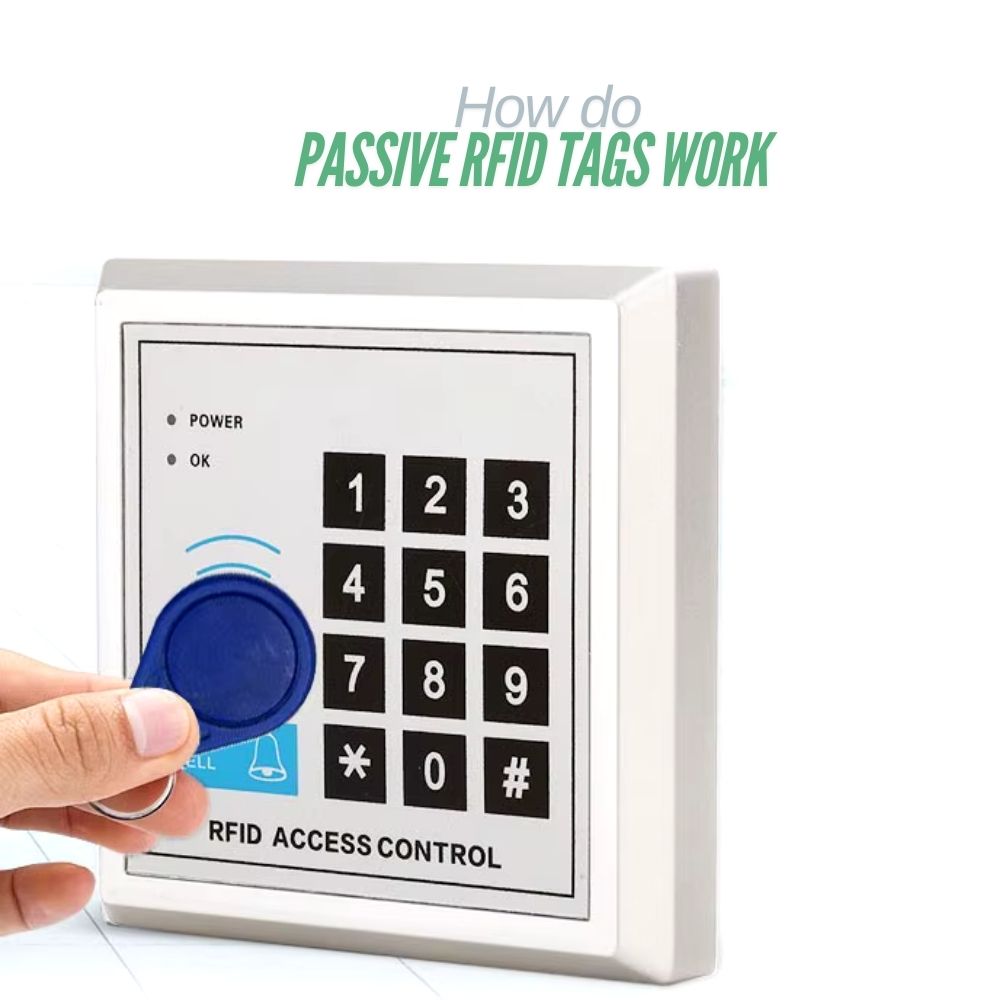
LF passiivinen RFID lukuetäisyys
LF-passiiviset RFID-järjestelmät, jotka toimivat 125 kHz:n tai 134,2 kHz:n taajuudella, on suunniteltu lyhyen kantaman tunnistamiseen. Tyypillinen lukuetäisyys on 3-10 cm kannettavilla lukulaitteilla ja vakiokokoisilla tunnisteilla.
134,2 kHz:n korvamerkkejä käyttävissä karjan tunnistusjärjestelmissä käytännön lukuetäisyys on usein 5-20 cm lukija-antennin koosta ja merkin rakenteesta riippuen. Lasikapselitranspondereilla päästään yleensä lyhyempiin etäisyyksiin kuin suuremmilla valetuilla korvamerkkeillä, koska kelan geometria on pienempi.
HF passiivinen RFID lukuetäisyys
HF-passiivinen RFID 13,56 MHz:n taajuudella tukee tyypillisesti 2-30 cm:n lukuetäisyyksiä useimmissa kortti- ja tarrapohjaisissa järjestelmissä.
ISO 14443 -lähestymiskortit ovat yleensä alle 10 cm:n pituisia, mikä on tarkoituksenmukaista turvallisissa kulunvalvonta- ja maksujärjestelmissä.
ISO 15693:n läheisyystunnisteilla voidaan pidentää lukuetäisyyttä entisestään, tyypillisesti jopa 1 metri optimoiduissa antenniolosuhteissa. Monissa kaupallisissa sovelluksissa käytetään kuitenkin alle tätä enimmäisarvoa, jotta lukualueet pysyvät hallinnassa.
UHF passiivinen RFID lukuetäisyys
UHF-passiivinen RFID, joka toimii 860-960 MHz:n taajuusalueella, tukee huomattavasti pidempiä lukuetäisyyksiä. Tavallisilla EPC Gen2 -tunnisteilla tyypillisissä kiinteissä lukija-asetelmissa saavutetaan 3-10 metrin lukuetäisyydet normaaleissa sääntelyn asettamissa tehorajoissa.
Suorituskykyiset tunnisteet yhdistettynä optimoituihin antenneihin voivat saavuttaa 10-15 metrin etäisyyden valvotuissa ympäristöissä.
Kädessä pidettävillä UHF-lukulaitteilla päästään yleensä 1-5 metrin etäisyydelle antennin vahvistuksesta ja tunnisteen herkkyydestä riippuen.
UHF tarjoaa passiivisista RFID-tekniikoista pisimmän lukuetäisyyden, ja sitä käytetään laajalti logistiikka-, varastonhallinta- ja inventaariojärjestelmissä, joissa vaaditaan monimittarilukemista.
Passiivisten RFID-tunnisteiden tyypit
Passiiviset RFID-tunnisteet ryhmitellään yleisesti LF-, HF- ja UHF-järjestelmiin. Näillä taajuusalueilla yleisimpiä muototekijöitä ovat sisäkkeet tai tarrat ja kestävät kovat tunnisteet, jotka on suunniteltu suojaamaan sisäkettä ja sirua.
LF-passiiviset RFID-tunnisteet
LF-tunnisteissa on tyypillisesti kelattu antenni. Koska matala taajuus edellyttää suhteellisen suurta induktiivista kelaa riittävän energian keräämiseksi, LF-tunnisteet ovat usein paksumpia ja jäykempiä kuin korkeamman taajuuden tunnisteet.
Yleisiä LF-tunnisteen muotoja ovat:
- Eläinten istutukseen käytettävät lasikapselitransponderit
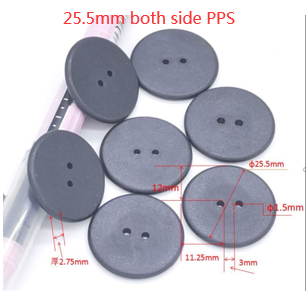
- Muoviset korvamerkit, joissa on upotetut käämikokoonpanot.
- Kapseloidut avaimenperät ja kulkutunnisteet
Kelan antenni näkyy yleensä sisäpuolelta, jos tunnisteen kotelo on läpinäkyvä. Karjan korvamerkkien kela on upotettu suljettuun muovirunkoon, joka suojaa sitä kosteudelta ja mekaaniselta rasitukselta.
LF-tunnisteita valmistetaan harvoin erittäin ohuina tarroina, koska kelarakenne vaatii tilavuutta.
HF-passiiviset RFID-tunnisteet
HF-tunnisteissa käytetään tasomaisia kela-antenneja, jotka on syövytetty tai painettu litteille alustoille. Koska antenni on pikemminkin kaksiulotteinen kuin kelattu, HF-tunnisteet ovat tyypillisesti ohuita ja litteitä.
Yleisiä HF-tunnisteen muotoja ovat:
- PVC-älykortit
- Paperiset tai muoviset tarrat
- Rannekkeet
- Kirjaston tunnisteet
- Upotetut sisäkkeet asiakirjojen tai lippujen sisällä
HF-antennit näyttävät yleensä spiraalimaisilta tai suorakulmaisilta painetuilta jäljiltä, kun ne ovat näkyvissä. Litteän rakenteensa ansiosta ne soveltuvat kortti- ja tarrapohjaisiin formaatteihin.
UHF-passiiviset RFID-tunnisteet
UHF-tunnisteissa käytetään yleensä dipoli-tyyppisiä antenneja, jotka on syövytetty tai painettu ohuisiin alumiini- tai kuparikerroksiin. Koska antenni toimii kaukokentässä, se voidaan toteuttaa kevyenä sisäkerroksena.
Yleisiä UHF-tunnisteiden muotoja ovat:
- Ohuet tarrat
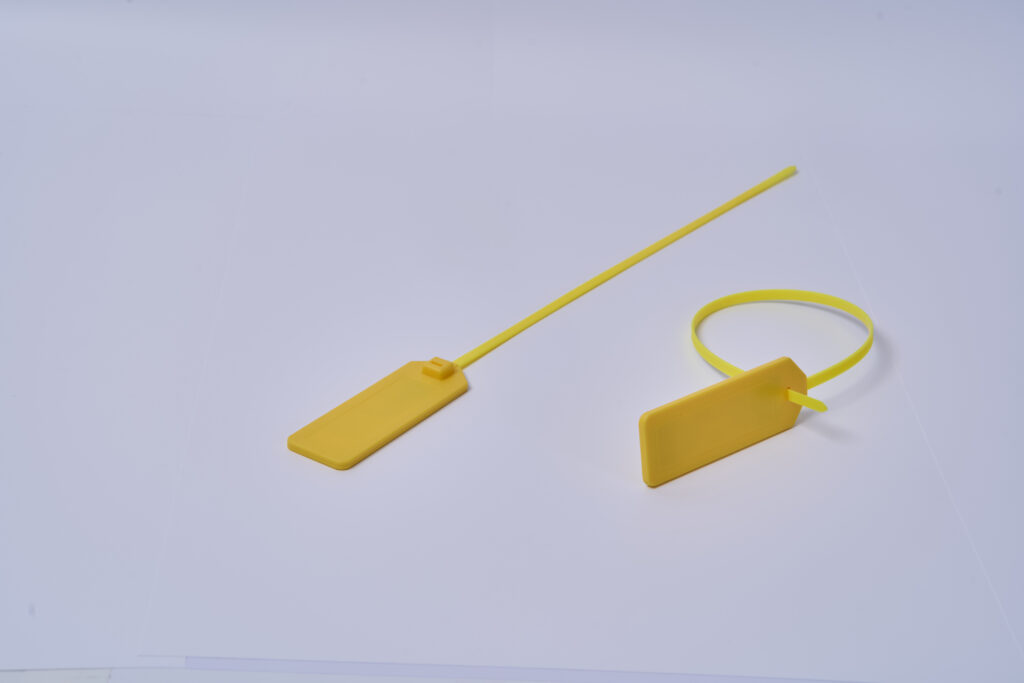
- Vaatteiden ripustustarrat
- Paperipohjaiset älykkäät tarrat
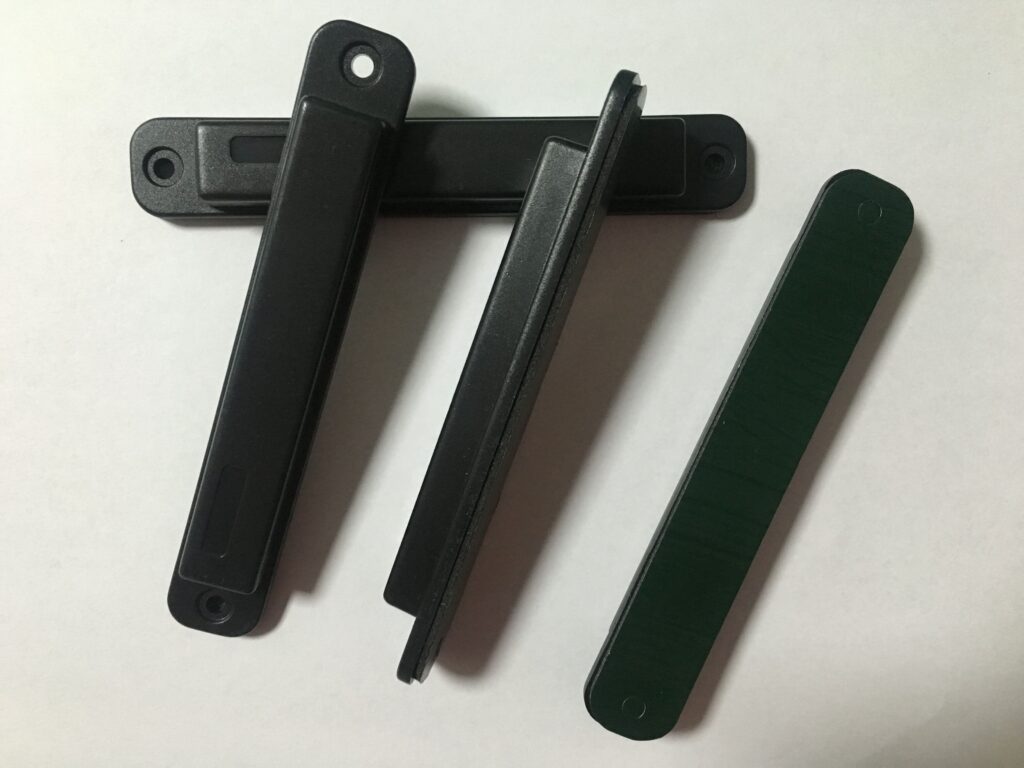
- Kovamuoviset teollisuustunnisteet
- Metalliin kiinnitetyt tunnisteet, joissa on välirakenteet
UHF-sisäkkeet ovat usein erittäin ohuita ja joustavia. Dipoliantennin kuvio on tyypillisesti pitkänomainen ja symmetrinen. Kun UHF-tunnisteita käytetään metallipinnoilla, niissä on paksummat kotelot tai integroidut välikappaleet antennin virittymisen estämiseksi.
Passiiviset RFID-tunnisteet Sovellukset
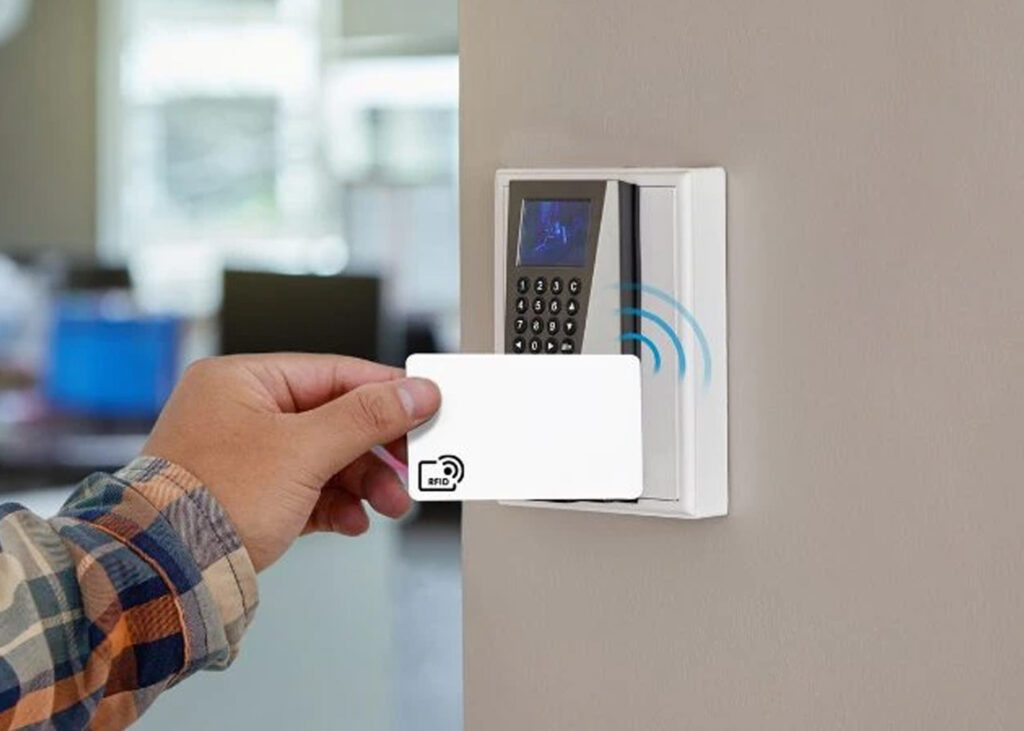
Passiivisia RFID-tunnisteita käytetään laajalti tunnistamiseen, seurantaan ja tietojen yhdistämiseen useilla eri teollisuudenaloilla. Erityissovellus riippuu taajuuden valinnasta, lukuetäisyysvaatimuksista ja ympäristöolosuhteista.
Karjan tunnistaminen
LF-passiivista RFID-tunnistusta 134,2 kHz:n taajuudella käytetään yleisesti eläinten tunnistamiseen. Elektronisia korvamerkkejä ja ruiskutettavia lasitranspondereita käytetään naudoilla, lampailla, vuohilla ja seuraeläimillä. Tunnisteeseen tallennetaan yksilöllinen tunnistenumero, joka on yhteydessä maatilan tai kansallisiin tietokantoihin. Lyhyt lukuetäisyys ja vakaa suorituskyky eläinkudoksen ympärillä tekevät LF:stä sopivan tähän tarkoitukseen.
Pääsynvalvonta ja todennus
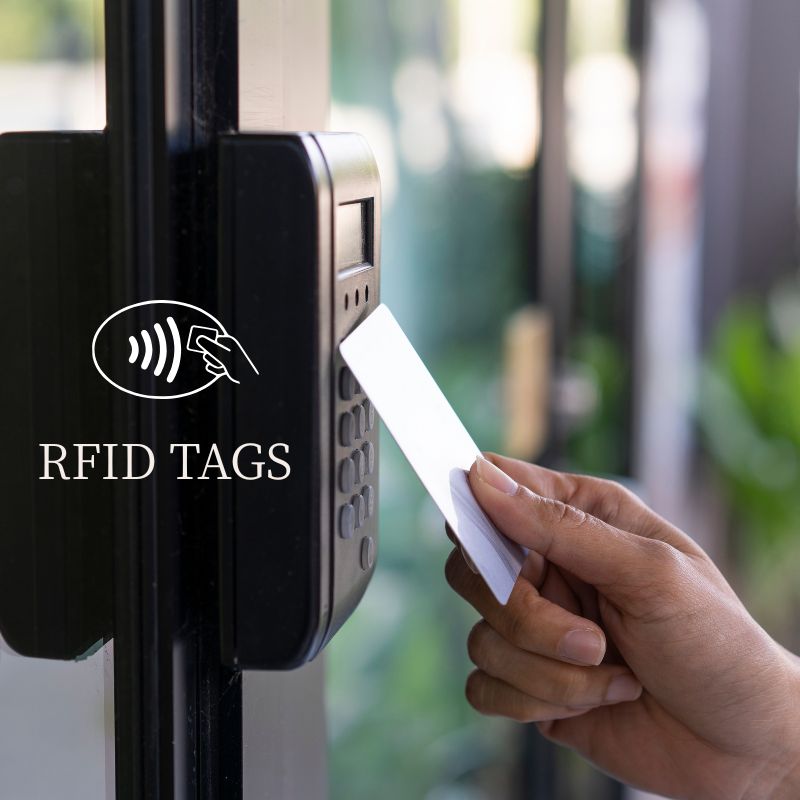
HF-passiivista RFID-tunnistusta 13,56 MHz:n taajuudella käytetään laajalti kulunvalvontakorteissa, henkilökorteissa, kuljetuslipuissa ja suojatuissa valtakirjoissa. Valvottu lyhyt lukuetäisyys tukee käyttäjän tarkoituksellista vuorovaikutusta, mikä on tärkeää turvallisuuden kannalta arkaluonteisissa järjestelmissä. Monet HF-käyttöönotot perustuvat yhteensopivuuden ja tietorakenteen osalta ISO 14443 -standardiin tai vastaaviin standardeihin.
Kirjasto ja asiakirjojen seuranta
HF-passiivista RFID-tunnistusta käytetään myös kirjastoissa, tiedostonhallintajärjestelmissä ja asiakirjojen seurannassa. Ohuet tarratyyppiset tunnisteet upotetaan kirjoihin ja kansioihin. Kohtalainen lukuetäisyys mahdollistaa tehokkaan skannauksen ja samalla valvotut lukualueet.
Vähittäiskauppa ja varastonhallinta
UHF-passiivista RFID-tunnistusta käytetään yleisesti vähittäiskaupan tuotetason merkinnöissä, varastonhallinnassa ja logistiikassa. Tarratunnisteet kiinnitetään tuotteisiin, laatikoihin tai kuormalavoille. Usean metrin lukuetäisyys mahdollistaa useiden merkittyjen tuotteiden nopean massaskannauksen kiinteillä tai kannettavilla lukulaitteilla.
Omaisuuden seuranta ja teollinen käyttö
UHF-passiivista RFID-tunnistusta käytetään työkalujen, laitteiden, palautuskonttien ja teollisuusomaisuuden seurantaan. Kovia tunnisteita, joissa on suojakotelo, käytetään ulkotiloissa tai vaativissa ympäristöissä. Metalliin kiinnitettäviä tunnisteiden malleja käytetään silloin, kun vaaditaan suoraa kiinnitystä johtaviin pintoihin.
Kuinka paljon passiiviset RFID-tunnisteet maksavat
Passiivisten RFID-tunnisteiden kustannukset vaihtelevat taajuuden, sirutyypin, antennin rakenteen, materiaalin ja tilausmäärän mukaan. Mikrosiru itsessään on vain osa kokonaiskustannuksista. Pakkaus-, kapselointi- ja kestävyysvaatimukset vaikuttavat usein enemmän hintaan.
LF Passiivinen RFID Kustannukset
Eläinten tunnistamiseen tai kulunvalvontaan käytettävät passiiviset LF-tunnisteet ovat yleensä kalliimpia kuin ohuet UHF-tunnisteet, koska niissä on kela-antennirakenne ja valettu kotelo.
Tyypilliset hintaluokat:
- Lasikapselin LF-transponderit: noin $1-$3 yksikköä kohti äänenvoimakkuudesta riippuen
- LF-eläinten korvamerkit, joissa on valettu kotelo: tyypillisesti $1,50-$4 yksikköä kohti. riippuen sirun tyypistä ja räätälöinnistä
Räätälöity painatus, lasermerkintä tai esikoodaus voi lisätä kustannuksia.
HF passiivinen RFID Kustannukset
HF-tunnisteet 13,56 MHz:n taajuudella valmistetaan yleisesti kortteina tai tarrainsetteinä.
Tyypilliset hintaluokat:
- HF-merkintäkappaleet: noin $0,20-$0,60 yksikköä kohti. määrällisesti
- HF PVC-kortit: tyypillisesti $0,50-$2 yksikköä kohti., muistityypistä ja turvaominaisuuksista riippuen
Salausominaisuuksilla varustetut suojatut sirut lisäävät kustannuksia verrattuna pelkkään muistiin perustuvaan tunnisteeseen.
UHF-passiivisen RFID:n kustannukset
UHF-passiiviset RFID-tunnisteet ovat yleensä alhaisimmat yksikkökohtaiset kustannukset, kun niitä tuotetaan suuria määriä, erityisesti toimitusketjusovelluksissa.
Tyypilliset hintaluokat:
- UHF-tarraimet: noin $0,05-$0,20 yksikköä kohti. suuria määriä
- UHF-kovat tunnisteet: tyypillisesti $0,50-$3 yksikköä kohti. kotelosta ja kestävyydestä riippuen
- Metalliin kiinnitetyt teolliset tunnisteet: usein $2-$10 yksikköä kohti suorituskykyvaatimuksista riippuen
Erikoistuneet teollisuus- tai korkean lämpötilan tunnisteet voivat ylittää nämä alueet.
Passiiviset ja aktiiviset RFID-tunnisteet
Passiiviset ja aktiiviset RFID-tunnisteet eroavat toisistaan lähinnä siinä, miten ne saavat virtaa ja miten ne kommunikoivat. Sisäisen virtalähteen olemassaolo tai puuttuminen vaikuttaa lukuetäisyyteen, kokoon, kustannuksiin, huoltovaatimuksiin ja käyttöönottoskenaarioihin.
Passiiviset RFID-tunnisteet
Passiivisissa RFID-tunnisteissa ei ole sisäistä paristoa. Ne toimivat keräämällä energiaa lukijan sähkömagneettisesta kentästä ja reagoivat vain, kun ne saavat virtaa. Koska ne eivät tuota omaa signaalia, passiiviset tunnisteet ovat yleensä pienempiä, ohuempia ja edullisempia. Niitä käytetään laajalti tunnistus- ja inventointijärjestelmissä, joissa on lukijainfrastruktuuri.
Aktiiviset RFID-tunnisteet
Aktiivisissa RFID-tunnisteissa on sisäinen paristo, joka antaa virtaa sirulle ja lähettimelle. Aktiiviset tunnisteet voivat lähettää signaaleja ilman lukijalta kerättävää energiaa. Tämä mahdollistaa huomattavasti pidemmät tiedonsiirtoetäisyydet, jotka ovat usein kymmeniä metrejä tai enemmänkin järjestelmäkokoonpanosta riippuen. Paristo mahdollistaa myös lisäominaisuudet, kuten anturien integroinnin tai jaksottaisen majakkalähetyksen.
Tärkeimmät erot:
| Ominaisuus | Passiivinen RFID | Aktiivinen RFID |
| Virtalähde | Ei sisäistä akkua | Sisäinen akku |
| Signaalin siirto | Vastaa vain lukijan antaman virran yhteydessä | Voi lähettää itsenäisesti |
| Tyypillinen lukuetäisyys | Senttimetreistä useisiin metreihin | Kymmeniä metrejä tai enemmän |
| Koko | Pieni ja ohut | Suurempi akun ansiosta |
| Hinta per tunniste | Matala | Korkeampi |
| Huolto | Ei akun huoltoa | Akun vaihto vaaditaan |
| Tyypilliset käyttötapaukset | Vähittäiskauppa, logistiikka, kotieläintunnistus, kulunvalvonta | Reaaliaikainen seuranta, omaisuuden seuranta, anturijärjestelmät |
Usein kysytyt kysymykset
Lukuetäisyys riippuu taajuudesta. LF-tunnisteet luetaan yleensä muutaman senttimetrin etäisyydeltä. HF-tunnisteet toimivat yleensä useiden senttimetrien etäisyydellä ja joissakin kokoonpanoissa jopa noin metrin etäisyydellä. UHF-tunnisteet tukevat yleisesti useiden metrien lukuetäisyyttä tavanomaisilla virran tehorajoilla. Todellinen suorituskyky riippuu järjestelmän kokoonpanosta ja asennusolosuhteista.
Miltä passiivinen RFID-tunniste näyttää?
Passiivinen RFID-tunniste voi näyttää hyvin erilaiselta taajuuden ja sovelluksen mukaan, mutta se sisältää aina pienen mikrosirun, joka on liitetty antenniin. LF-tunnisteet ovat usein paksumpia, ja ne voivat olla eläimille istutettavia lasikapseleita tai muovisia korvamerkkejä, joihin on upotettu kela. HF-tunnisteet näyttävät tyypillisesti litteiltä korteilta, tarroilta tai rannekkeilta, joiden sisällä on näkyvä kierreantennikuvio. UHF-tunnisteet ovat tavallisesti ohuita tarroja tai ripustettavia tunnisteita, joissa on pitkulainen metallinen antennikuvio, kun taas teolliset versiot voidaan koteloida kovaan muovikoteloon kestävyyden vuoksi.
Jotkin passiiviset RFID-tunnisteet tukevat pelkkää lukumuistia, kun taas toiset mahdollistavat tietojen kirjoittamisen tai päivittämisen. Monet UHF EPC Gen2 -tunnisteet sallivat käyttäjämuistin kirjoittamisen ja ne voidaan myös lukita ohjelmoinnin jälkeen. HF-tunnisteet voivat tukea erilaisia muistirakenteita sirun tyypistä riippuen. Se, voidaanko tunniste kirjoittaa uudelleen, riippuu sirun spesifikaatiosta.
Tavallisten passiivisten tunnisteiden suorituskyky voi heikentyä, kun ne asennetaan suoraan metalliin, koska metalli voi häiritä antennin viritystä. Metalliin kiinnitettävät erikoistunnisteet on suunniteltu siten, että niissä on väli- tai suojarakenteet, jotta ne toimisivat moitteettomasti johtavilla pinnoilla.
Passiivisissa RFID-tunnisteissa ei ole akkua, joka voisi hajota, joten niiden käyttöikää rajoittaa yleensä fyysinen kestävyys eikä elektroniikka. Normaaliolosuhteissa sirun tietojen säilytysaika on usein useita vuosia.