

How to use nfc stickers?
Table of Contents
Introduction: What Are NFC Stickers?
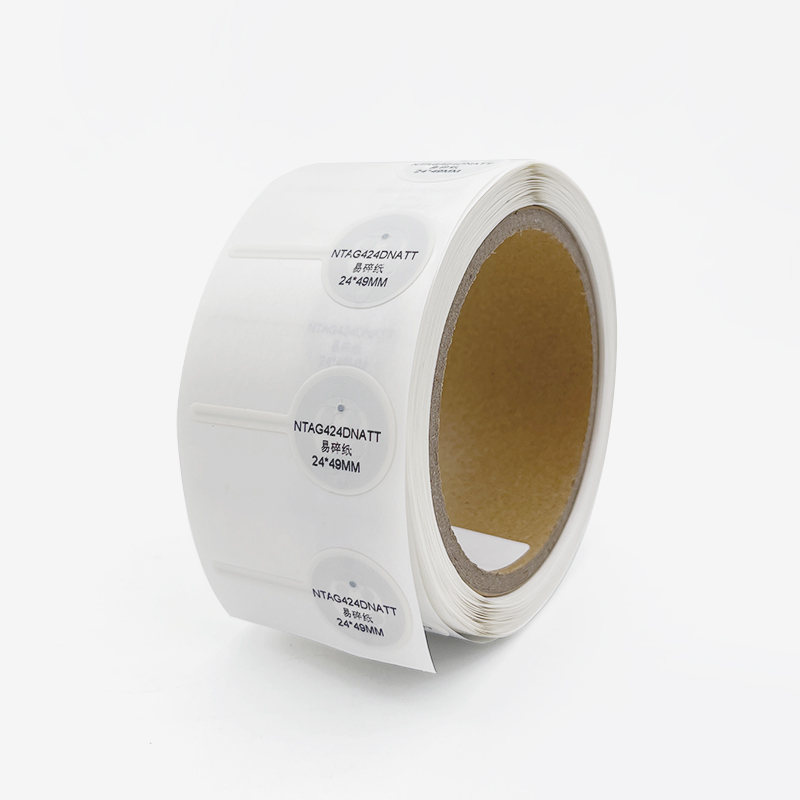
With just a tap, you can trigger actions—like opening a website, sharing contact details, setting a Wi-Fi password, launching apps, or automating smart home devices.
Whether you’re a business owner, tech enthusiast, or smart home user, NFC stickers are an easy way to add automation and contactless convenience to your life.

What You Need to Use NFC Stickers
1. NFC-Enabled Smartphone
Most modern Android phones and iPhones (iPhone 7 and newer) have built-in NFC.
2. Programmable NFC Tags or Stickers
We recommend NTAG213/215/216 chips for reliability and wide compatibility.
🔗 Browse JIA’s NFC Tags and Stickers →
3. Free App (for programming on Android or iOS)
Android: NFC Tools, Trigger
iOS: NFC TagWriter by NXP, Shortcuts App
How to Program NFC Stickers (Step-by-Step)
For Android Users:
- Download the “NFC Tools” app from the Play Store
- Open the app and go to “Write”
- Tap “Add a Record” (e.g., open a URL, send text, trigger a call)
- Tap “Write” and hold the back of your phone to the NFC sticker
- Done! The sticker is now programmed.
For iPhone Users:
- For iOS 13 and newer, open the Shortcuts app
- Go to Automation > Create Personal Automation
- Choose NFC, scan your sticker
- Choose an action (e.g., open an app, turn on Wi-Fi)
- Save it. Tap to trigger the automation.
⚠️ Tip: iPhones do not support writing to NFC tags without 3rd-party apps. Use “NFC Tools” or “TagWriter” for writing data.
Best Use Cases for NFC Stickers
| Use Case | Description |
|---|---|
| Smart Business Cards | Program your contact info, link to LinkedIn or portfolio |
| Wi-Fi Sharing | Tap to auto-connect guests to your Wi-Fi |
| Smart Home Automation | Toggle lights, open apps, start Spotify |
| Marketing Campaigns | Stick on posters to open event pages or coupons |
| Inventory or Asset Tracking | Tag laptops, tools, or equipment with IDs |
| Contactless Menus | Restaurants can use NFC for digital menus or ordering |
Which Phones Work With NFC Stickers?
- Android (most models): Samsung, Google Pixel, OnePlus, Xiaomi, Oppo
- iPhone (iOS 13+): iPhone 7 or newer (NFC read/write support varies slightly)
⚠️ Older devices (iPhone 6, budget Android phones) may not support NFC.
Can NFC Stickers Be Rewritten or Locked?
| Action | Possible? |
|---|---|
| Rewriting a tag | ✅ Yes – unless locked manually |
| Locking a tag | ✅ Yes – permanently write-protect the tag |
| Overwriting locked tags | ❌ No – Once locked, data is read-only forever |
NFC Stickers vs QR Codes: Which Should You Choose?
Compare these technologies:
| Feature | NFC Tags | QR Codes |
|---|---|---|
| Cost | Higher | Lower |
| Rewritable | Yes | No |
| Scan Method | Tap | Camera |
| Range | 4cm | Variable |

Frequently Asked Questions
Are NFC stickers waterproof?
Some are. JIA offers waterproof or encapsulated NFC tags designed for outdoor or wet environments.
Can I use NFC tags with metal surfaces?
Standard NFC tags do not work well on metal. Use on-metal NFC tags for that purpose.
How long do NFC stickers last?
Most NFC tags are passive and can last 10+ years or up to 100,000 write cycles.
Can NFC stickers be scanned without an app?
Yes! Most phones auto-detect and open programmed URLs or contact data when tapped.
Expert Tip from JIA RFID
Compare these technologies:
— Ray Zhou, Product Specialist, JIA RFID

Ray Zhou
This article was written by Ray Zhou, an RFID technology expert with more than 10 years of industry experience.
Comments
Hot Products

Low Frequency RFID vs. High Frequency RFID: The Major 14 Differences
Low Frequency RFID and High Frequency RFID are both inductive RFID technologies that rely on magnetic field coupling between the
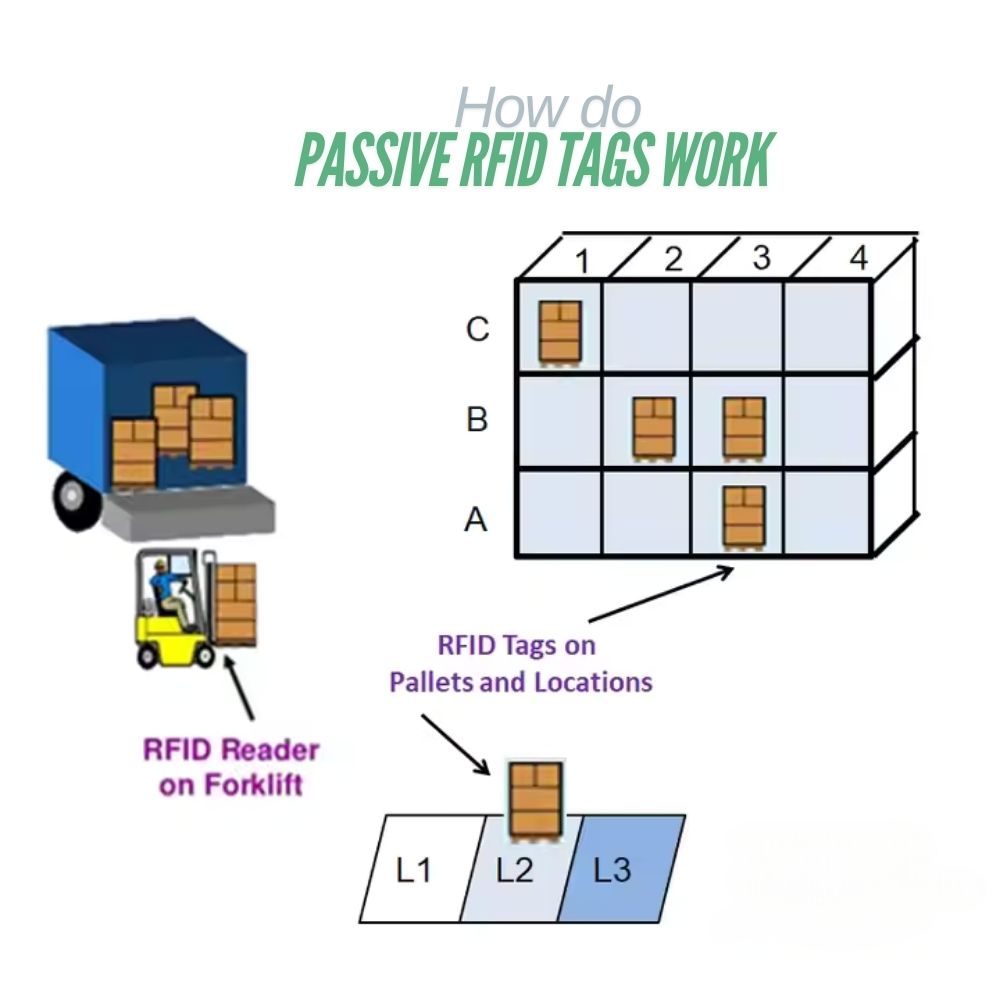
What Are Passive RFID Tags and How Do They Work
A passive RFID tag is an RFID tag that has no internal power source. It cannot run or transmit by
13.56 MHz RFID Cards and Tags Explained: Everything You Should Know
RFID technology plays an important role in modern identification and data exchange systems. Among the different RFID frequencies, 13.56 MHz
RFID in Logistics: How to Eliminate RFID Misrouting and RFID Label Failures
RFID in logistics is more than just a tool to speed up processes. It has become a key part of how modern supply chains operate.
What Is RFID Waste Management
Imagine a city where every trash bin speaks — not literally — but through a tiny chip that tells the system when it’s full, when it’s emptied, and where it went. That’s what RFID waste management is doing today.
What are Bolt Seals and their Applications? | Complete Guide
In global trade and logistics, bolt seals play a crucial role in ensuring cargo security and compliance. These small but powerful devices are designed to lock shipping containers, trailers, and cargo doors with a tamper-evident mechanism.
Tags
RELATED BLOGS

Low Frequency RFID vs. High Frequency RFID: The Major 14 Differences
Low Frequency RFID and High Frequency RFID are both inductive RFID technologies that rely on magnetic field coupling between the

What Are Passive RFID Tags and How Do They Work
A passive RFID tag is an RFID tag that has no internal power source. It cannot run or transmit by

13.56 MHz RFID Cards and Tags Explained: Everything You Should Know
RFID technology plays an important role in modern identification and data exchange systems. Among the different RFID frequencies, 13.56 MHz


