
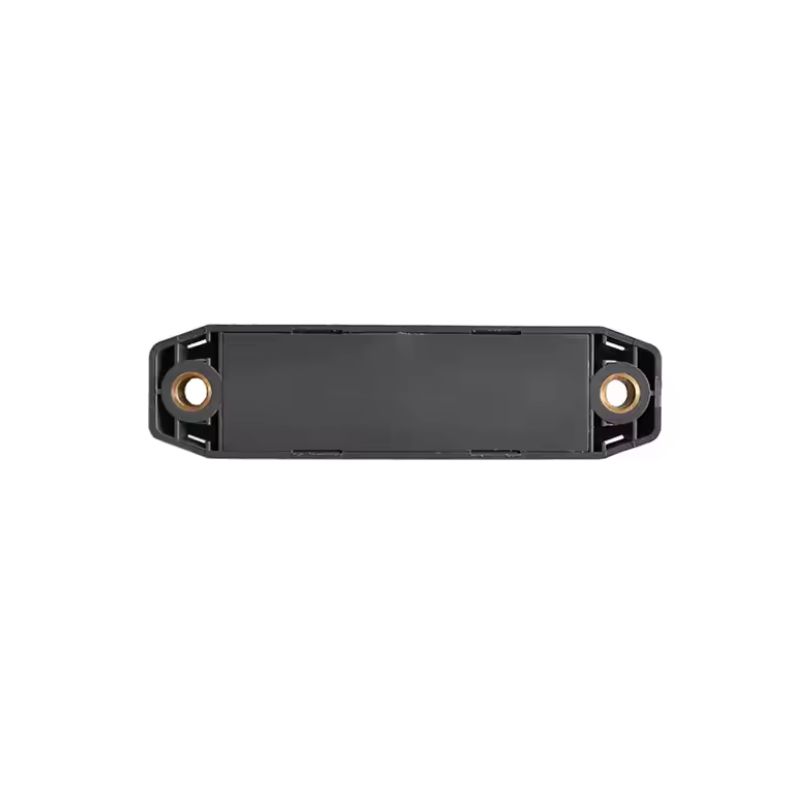
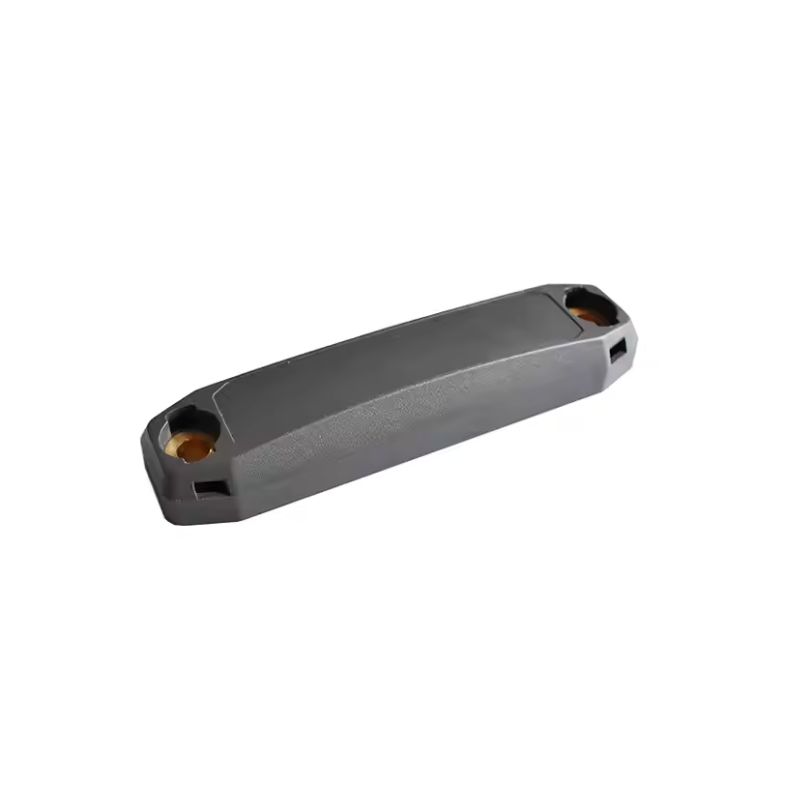
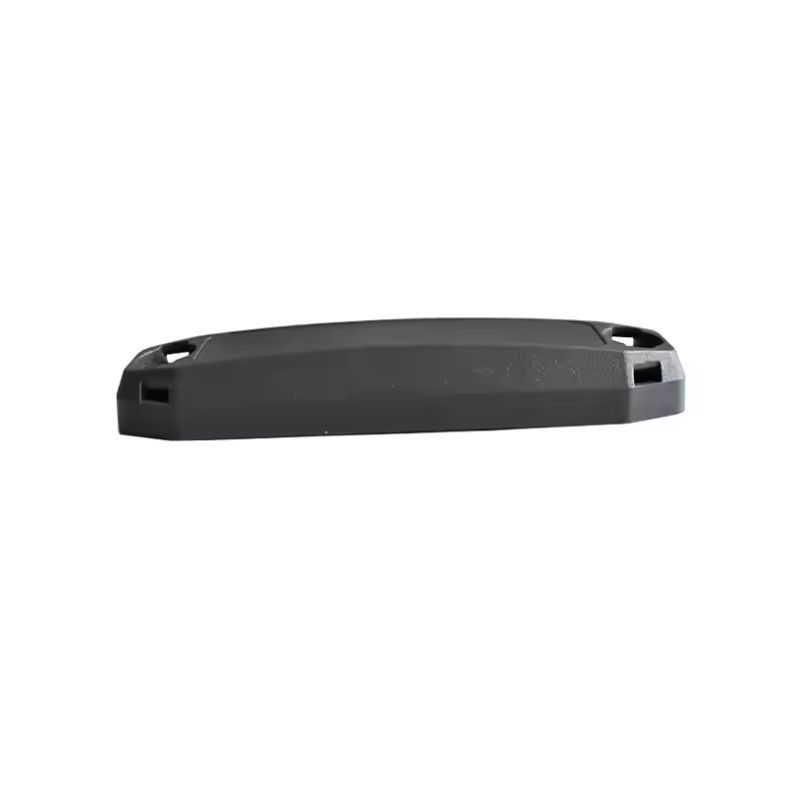
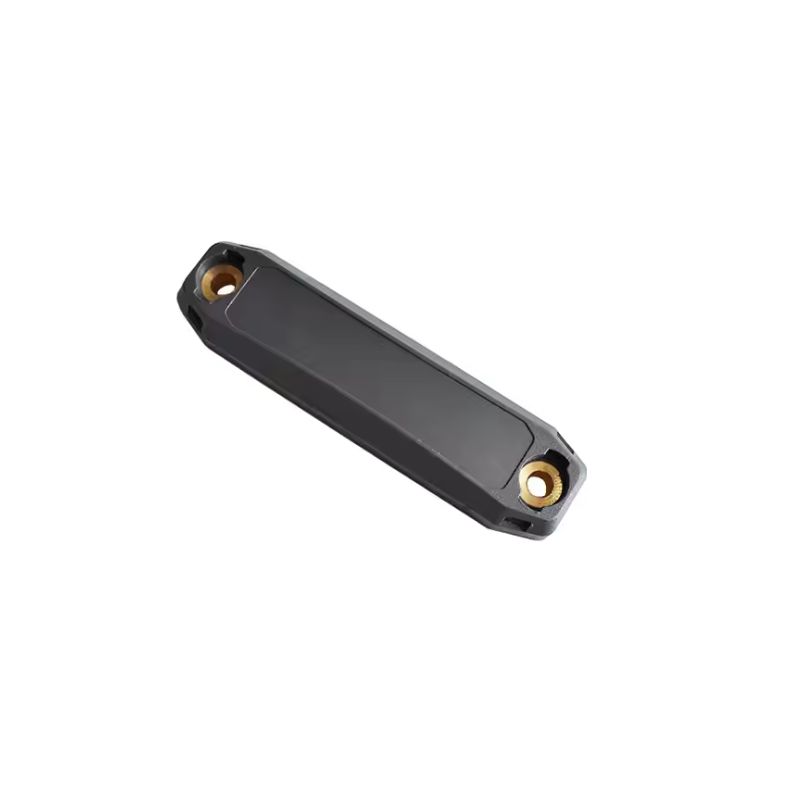

RFID Tags for Metal Surfaces
Metal-Mount RFID Tags for Industrial Asset Tracking
RFID tags for metal surfaces are purpose-built RFID tags designed to operate on metal tools, equipment, containers, IT assets, machinery, and other conductive surfaces.
Standard RFID labels may lose read performance when attached directly to metal because the metal surface can interfere with the tag antenna. Metal-mount RFID tags for metal surfaces use a tuned antenna structure, spacer, isolation layer, or protective housing to support more stable reading on metal assets.
These tags are used when a company needs RFID-based asset identification on items where ordinary labels are difficult to read.
RFID Tags for Metal Surfaces Technical Specifications
| Feature | Specification |
|---|---|
| Product Type | UHF RFID tag for metal surfaces / metal-mount RFID asset tag |
| RFID Type | Passive UHF RFID |
| Frequency | UHF 860–960 MHz, according to regional reader regulations |
| Protocol | EPC UHF Gen2 / ISO/IEC 18000-63 |
| Mounting Surface | Metal tools, machines, cabinets, containers, equipment, and industrial assets |
| On-Metal Structure | Tuned antenna, isolation layer, spacer, or protective housing depending on tag model |
| Mounting Options | Industrial adhesive, screw, rivet, cable tie, or customized fixing method depending on structure |
| Printable Data | Logo, barcode, QR code, serial number, asset ID, or warning text |
| Encoding Options | EPC encoding, TID matching, user memory writing, serial matching, and database association |
| Read Range | Depends on tag size, reader power, antenna setup, surface material, and installation position |
| Environment | Indoor, warehouse, industrial, or outdoor use depending on selected material and housing |
| Customization | Size, shape, housing material, printing, encoding, adhesive, mounting hole, and packaging |
Sample testing on the real asset is recommended before mass production because metal type, surface curvature, tag orientation, and reader layout affect final performance.
RFID Tags for Metal Surfaces Typical Applications
- Manufacturing Equipment
Metal-mount RFID tags can identify machines, molds, fixtures, tooling, and production assets during maintenance or inventory checks. - IT Asset Management
RFID tags can be attached to laptops, servers, metal cabinets, network devices, and data-center equipment for asset audits. - Tool Tracking
Factories, workshops, and maintenance teams can use RFID tags to identify tools, kits, and reusable metal instruments. - Logistics and Containers
UHF on-metal tags can support tracking for metal pallets, returnable containers, cages, racks, and transport equipment. - Medical and Laboratory Assets
Hospitals and laboratories can tag metal equipment, carts, trays, and devices when the tag material is suitable for the operating environment.
Which On-Metal RFID Tag Format Fits Your Asset?
| Tag Type | Main Difference | Suitable Use |
|---|---|---|
| Rigid UHF On-Metal Tag | Hard housing with stronger protection | Tools, machines, containers, outdoor equipment |
| Flexible On-Metal RFID Label | Printable and lower-profile structure | IT assets, cabinets, electronics, curved or space-limited surfaces |
| Small Metal-Mount Asset Tag | Compact size for limited mounting areas | Hand tools, small equipment, metal parts |
| Screw-Mount RFID Tag | Mechanical fixing method | Assets exposed to vibration, handling, or outdoor use |
| Adhesive On-Metal Tag | Fast installation without drilling | Office equipment, cabinets, IT assets, controlled indoor assets |
| Custom Asset Tags | Size, encoding, printing, or mounting adjusted for the project | OEM systems, asset-management programs, and special surface requirements |
Choose the tag according to the asset material, available mounting space, required read distance, installation method, and operating environment.
A larger tag may provide better read performance, but it may not fit small tools or curved surfaces. A low-profile flexible label may be easier to print and apply, while a rigid tag may be better for impact or outdoor exposure.
RFID Tags for Metal Surfaces vs Standard RFID Labels
| Comparison Point | Standard RFID Label | RFID Tag for Metal Surfaces |
|---|---|---|
| Intended Surface | Paper, cardboard, plastic, or non-metal assets | Metal assets and conductive surfaces |
| Antenna Design | Not usually tuned for direct metal mounting | Designed with on-metal structure or antenna tuning |
| Metal Performance | May be unstable or unreadable on metal | More suitable for direct metal installation |
| Durability | Depends on label material | Can be supplied with stronger housing or industrial fixing |
| Typical Use | Packaging, retail, documents, non-metal inventory | Tools, equipment, IT assets, containers, machines |
| Project Testing | Recommended | Essential before bulk deployment |
A standard RFID label is suitable when the asset surface does not interfere with the antenna.
An on-metal RFID tag is suitable when the label or tag must be attached directly to metal.
How Metal Asset Tracking Works with UHF RFID
First, each RFID tag is encoded with an EPC or asset identifier that matches the company’s asset-management database.
The tag is then mounted on the metal asset using the selected adhesive, screw, rivet, cable tie, or other fixing method.
During an audit, a handheld or fixed UHF RFID reader scans the tag without requiring direct line-of-sight. The software records the asset ID, location, status, or inspection event according to the system configuration.
Before full deployment, sample tags should be tested on the actual metal asset with the intended reader, antenna, software, and scanning distance.
Need RFID Tags for Metal Assets?
Contact JIA RFID with your asset type, surface material, mounting space, reader model, required read range, and operating environment.
The team can recommend a suitable metal-mount tag format and prepare samples for print, encoding, and on-site reader testing.
Frequently Asked Question
The top questions about RFID tags for metal surfaces
These are passive UHF RFID tags. They do not contain a battery and are powered by the RFID reader signal during scanning.
Read range depends on tag size, antenna design, reader power, reader antenna, asset material, tag orientation, mounting method, and the surrounding environment.
Yes. Encoding can include EPC writing, user memory writing, serial-number matching, TID matching, or database association depending on the selected chip and system format.
Some models can be made for outdoor or wet environments, but waterproof performance depends on the housing, sealing method, adhesive, and installation conditions. Confirm the required environment before production.
Confirm the asset material, tag size limit, required read range, reader model, mounting method, indoor or outdoor environment, printing data, encoding format, and order quantity.
Related Products
Customize any types RFID tags from our factory to meet your own requirements.