
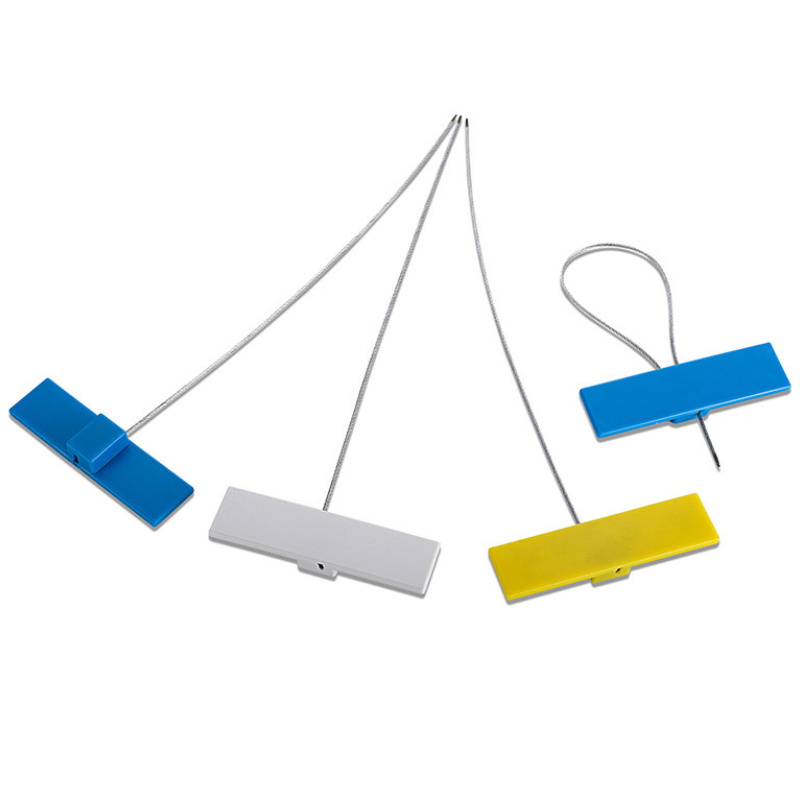
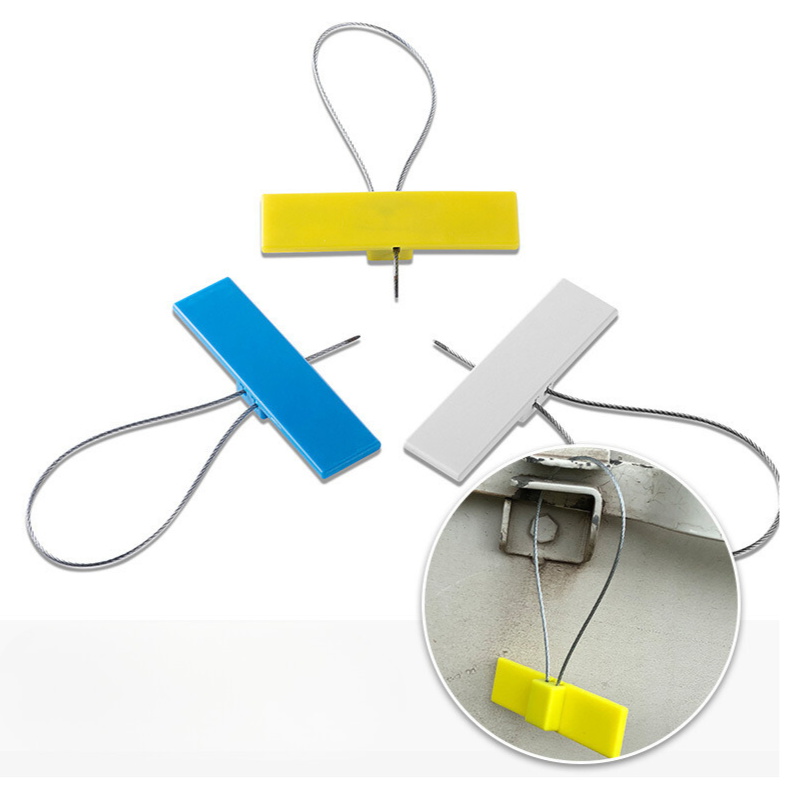
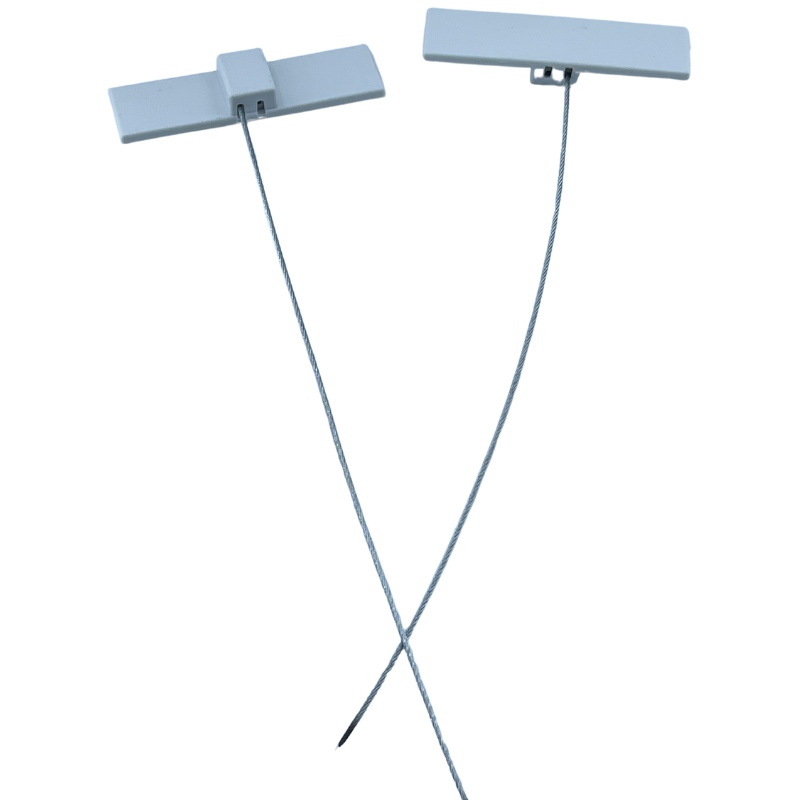
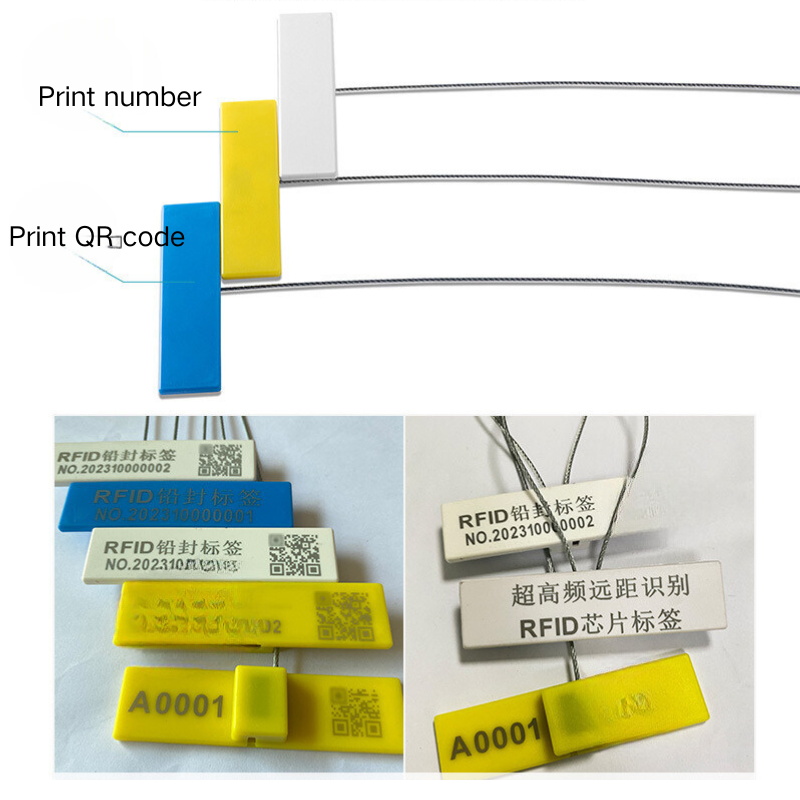

RFID Seal for Secure Container Tracking and Asset Protection
Smart RFID Seals for Modern Supply Chain Management
An RFID Seal combines the physical security of a traditional cable seal with the digital advantages of RFID technology. Designed for containers, trailers, trucks, cargo bins, and reusable transport assets, this solution helps businesses improve visibility while reducing manual inspection processes.
Our UHF container RFID seal features an embedded RFID chip with a unique identification number, allowing assets to be automatically recognized by fixed readers or handheld RFID devices. The seal provides both physical protection and electronic identification, making it an ideal solution for logistics, customs inspection, warehouse management, and cross-border transportation.
What is an RFID Seal?
An RFID Seal is a security seal with an integrated RFID chip. Once locked, the cable cannot be removed without cutting it, helping maintain the integrity of secured assets.
Unlike conventional cable seals, an RFID seal for container applications can also be identified automatically through UHF RFID readers, allowing operators to verify container identity without manual barcode scanning or physical inspections.
Typical applications include:
- Shipping containers
- Truck trailers
- Cargo boxes
- Roll cages
- Distribution bins
- Utility equipment
- Customs and border security
Key Features
- UHF RFID technology for automatic identification
- Secure cable locking structure
- Unique EPC number for each RFID seal
- Long reading distance with fixed or handheld readers
- Rugged ABS housing with stainless steel cable
- Waterproof and suitable for outdoor environments
- Compatible with EPC Gen2 / ISO18000-6C systems
- Supports logo printing and serialization
Why Use an RFID Seal Instead of a Standard Cable Seal?
| Feature | Standard Cable Seal | RFID Seal |
| Physical Security | Yes | Yes |
| Electronic Identification | No | Yes |
| Automatic Gate Reading | No | Yes |
| Asset Tracking Integration | Limited | Excellent |
| Manual Inspection Required | Yes | Reduced |
| Supply Chain Visibility | Basic | Real-Time |
| For organizations implementing digital logistics systems, a container RFID seal helps automate asset verification while improving operational efficiency. | ||
Technical Specifications
| Item | Specification |
| Product Name | RFID Seal |
| Material | ABS + Stainless Steel Wire |
| Lock Body Size | 100 × 26.5 mm |
| RFID Frequency | 860~960 MHz |
| RFID Standard | EPC Class 1 Gen2 / ISO18000-6C |
| Chip Option | Alien H9 |
| Reading Distance | Up to 8 meters (reader dependent) |
| Installation | One-time locking cable seal |
| Available Colors | Green, Yellow, White, Blue (Custom Available) |
| Packing | 50 pcs/bundle |
| Carton Quantity | 1000 pcs/carton |
| Carton Size | 53 × 29 × 32 cm |
| Custom Options | Logo printing, EPC encoding, UID, Serial Number |
Applications
Our RFID Seal is widely used across logistics and industrial sectors.
- Shipping container management
- Truck and trailer identification
- Warehouse and distribution centers
- Customs and border inspections
- Returnable transport item tracking
- Asset security and inventory management
- Cargo and freight monitoring
As an RFID seal for container projects, it helps automate gate operations and improve cargo visibility throughout the supply chain.
Real Project Example
A logistics provider managing cross-border freight needed a faster way to verify trailer identities at warehouse gates.
By replacing traditional numbered cable seals with our container RFID seal, the company automated vehicle identification using fixed UHF readers.
Results included:
- Faster truck processing at entry gates
- Reduced manual seal verification
- Improved shipment traceability
- Better inventory visibility across distribution centers
The RFID system allowed operators to identify sealed assets without direct contact, improving both efficiency and security.
Customization Options
We provide flexible OEM and project customization services.
Available options include:
- Company logo printing
- EPC encoding
- UID programming
- Sequential serial numbers
- Barcode and QR code printing
- Custom housing colors
- Pre-programmed asset registration
Our engineering team can also assist with RFID reader compatibility and deployment plannin
Installation Guide
Using an RFID Seal is simple:
- Pass the stainless steel cable through the locking points.
- Insert the cable end into the lock body.
- Pull tight until securely locked.
- Register the EPC number if required.
- Verify identification using a UHF RFID reader.
Once locked, the cable must be cut for removal.
Why Choose Us
- More than 10 years of RFID manufacturing experience
- Professional support for logistics and container projects
- Strict quality control before shipment
- OEM and ODM customization services
- EPC encoding and serialization available
- Sample testing supported
- Fast global delivery
- Technical assistance for RFID system integration
Need Help Choosing the Right RFID Seal?
Different logistics projects require different RFID seal configurations depending on reading distance, reader infrastructure, and operational workflow.
Contact our RFID specialists for
- Product recommendations
- Sample testing
- EPC encoding advice
- Reader compatibility consultation
- Bulk quotations for logistics projects
Whether you are implementing a warehouse system or a global container RFID seal solution, we can help you choose the right RFID product.
Frequently Asked Question
The top questions about radio frequency identification, RFID tags, and RFID readers, and RFID cards.
An RFID seal is a cable seal with an embedded RFID chip that allows automatic identification and asset tracking.
RFID seals are commonly used for shipping containers, truck trailers, cargo bins, warehouse assets, and customs security applications.
No. This RFID seal uses a one-time locking mechanism. Once removed, the cable must be cut.
The reading distance depends on the RFID reader and environment but can reach up to 8 meters under typical operating conditions.
Yes. We support logo printing, UID printing, EPC encoding, sequential numbering, and custom color production.
This RFID seal supports EPC Class 1 Gen2 and ISO18000-6C standards, making it compatible with most UHF RFID systems.
Yes. Sample orders are available for compatibility testing and project evaluation.
Related Products
Customize any types RFID tags from our factory to meet your own requirements.