


Washable RFID Tags for Garment Identification
PPS Button Tags for Close-Range Reading
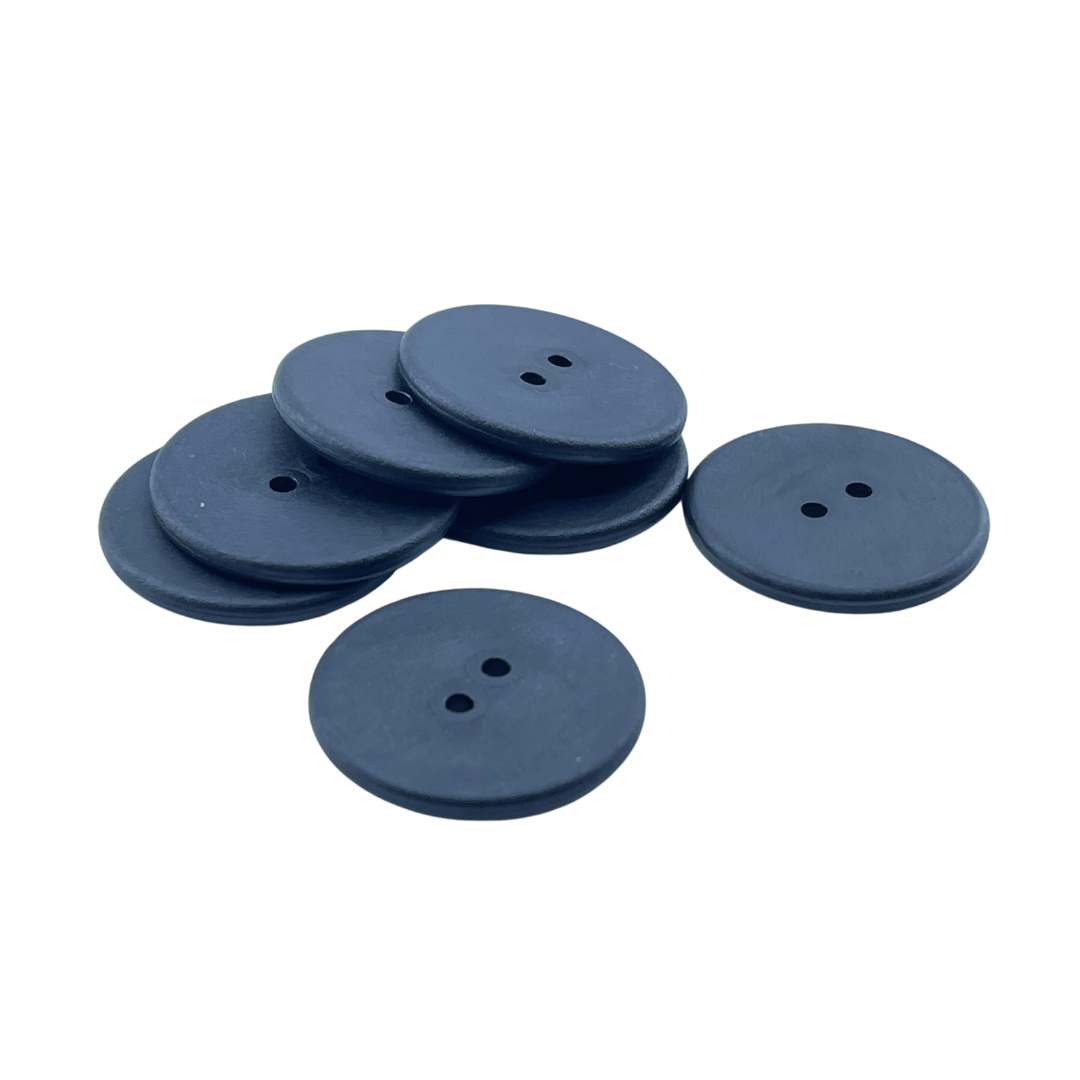
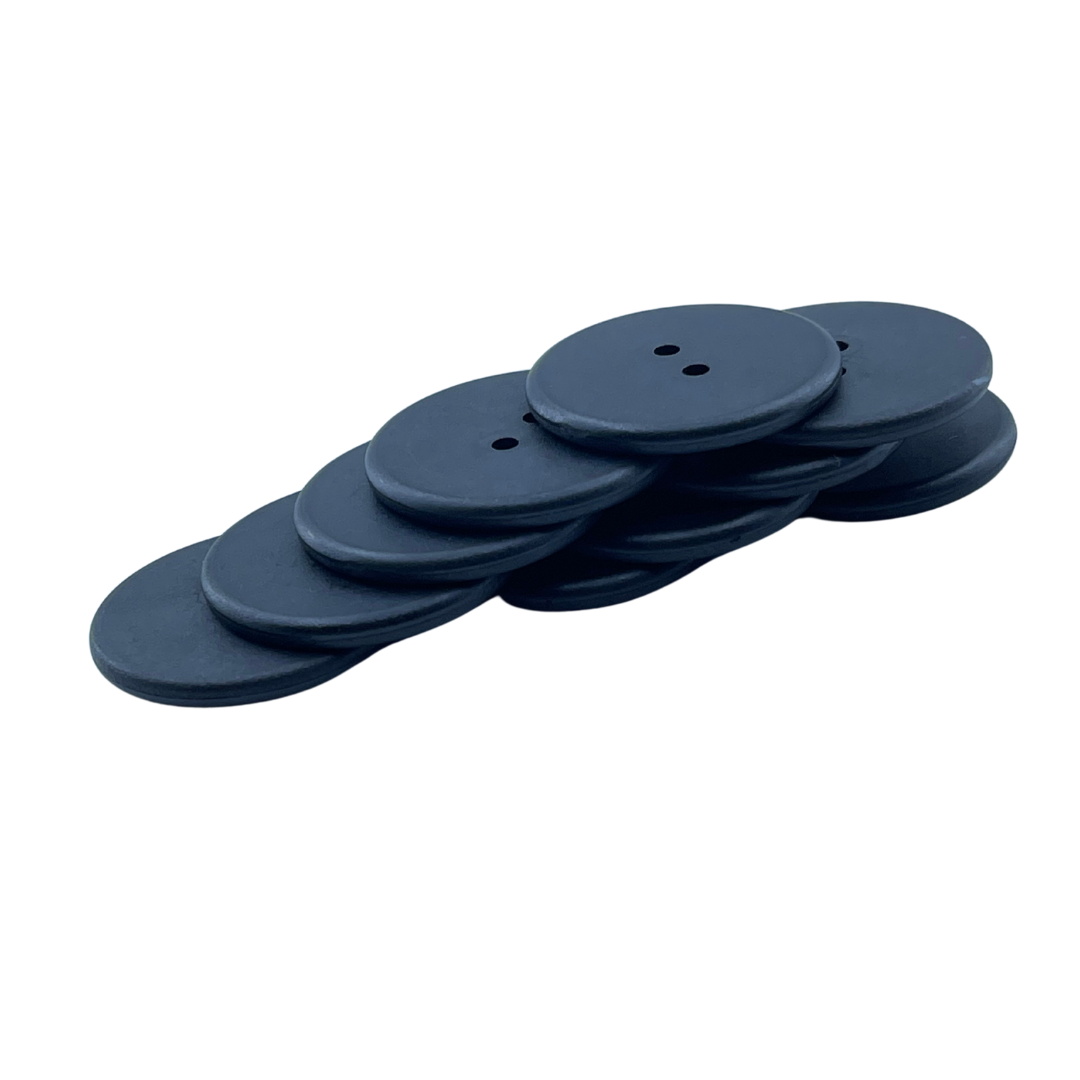
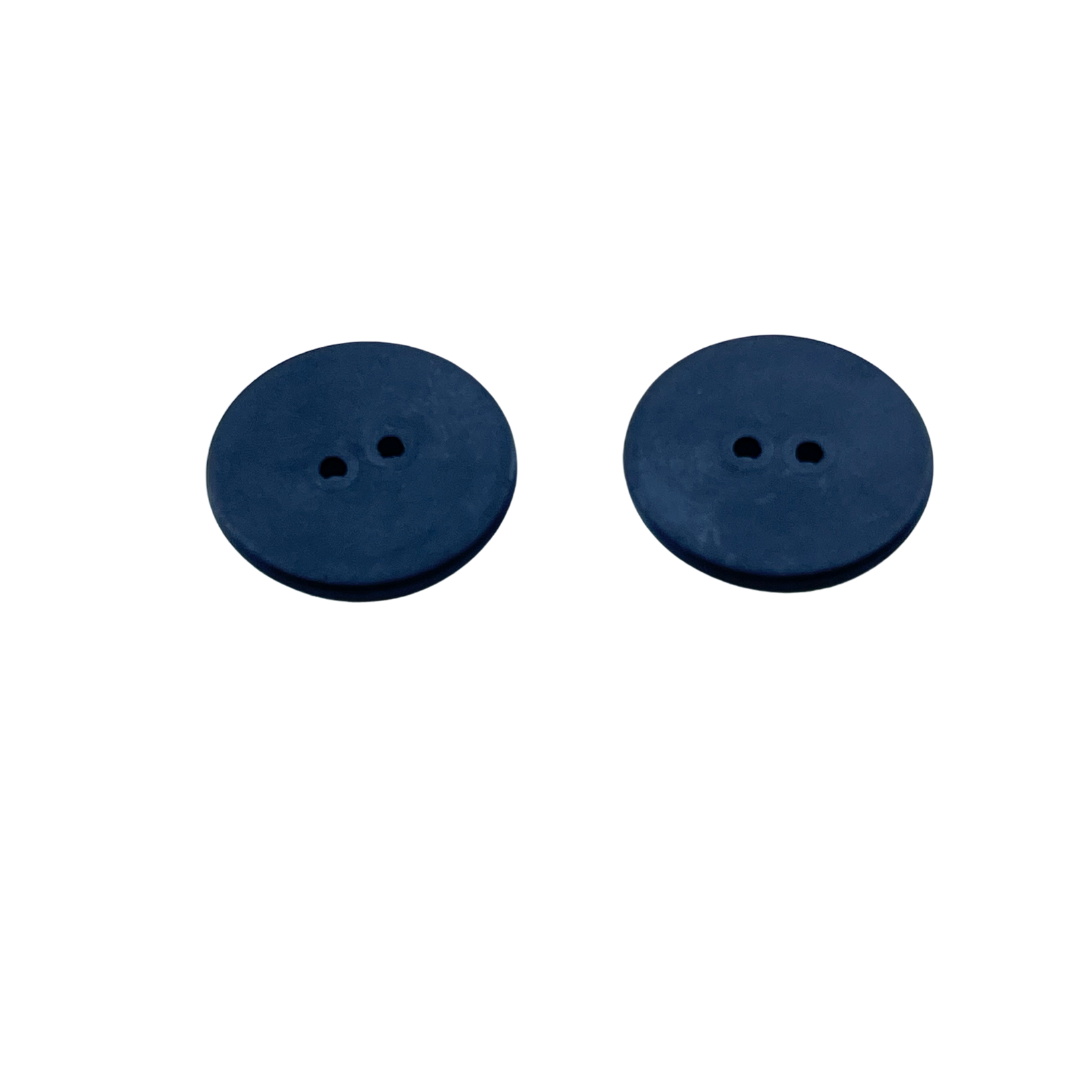
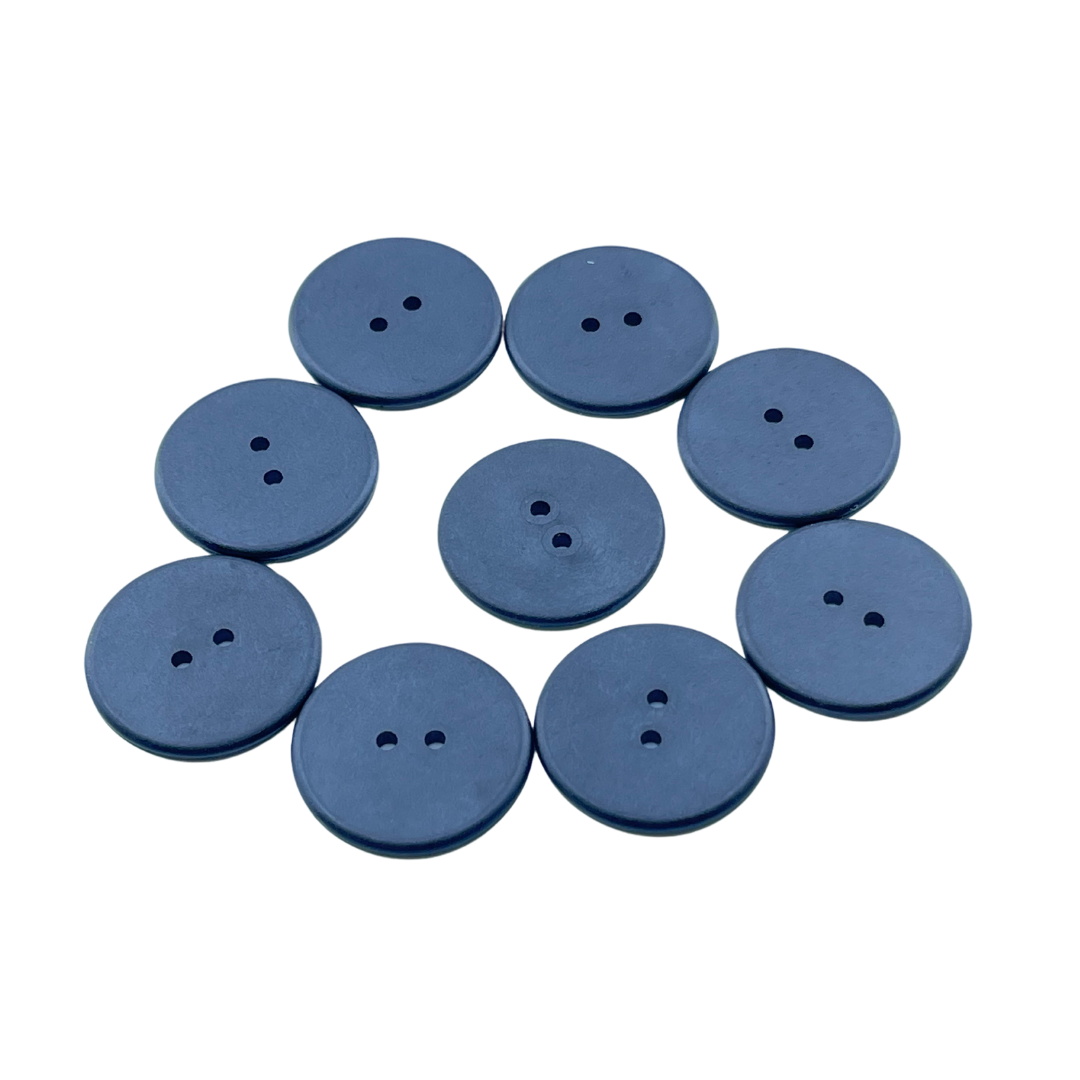
These washable RFID tags are passive 13.56 MHz identifiers designed for attachment to garments. The double-sided PPS housing protects the embedded chip, while two sewing holes provide a way to secure the tag to fabric.
The NTAG213 configuration suits individual garment checks at issue, return or inspection points. Staff present the tagged item to a compatible reader to retrieve its associated record.
Technical Specifications
| Parameter | Specification |
| Product type | Washable HF RFID tag |
| Housing material | Double-sided PPS |
| Manufacturing process | Injection molding |
| Diameter | 20 mm |
| Thickness | 3 mm |
| Sewing holes | Two holes, 1.8 mm diameter |
| Frequency | 13.56 MHz |
| Chip | NTAG213 |
| Protocol | ISO/IEC 14443 Type A; NFC Forum Type 2 |
| Specified reading distance | 0–4 cm, depending on reader and installation |
| Color | Black |
| Attachment | Sewing or embedding in a suitable garment structure |
| Surface marking | Screen printing, pad printing, inkjet marking or engraved numbering |
| Reference operating temperature | −20°C to +220°C |
| Reference storage temperature | −25°C to +230°C |
A Washable RFID Laundry Tag for Issue and Return
A washable RFID laundry tag gives each garment an electronic reference that can remain associated with it throughout use and cleaning.
At an issue station, the connected system can assign the garment to a wearer or department. On return, a scan retrieves that record and allows staff to log the item’s status. Wash counts and service histories depend on the readers and software recording the relevant events.
This model is intended for close-range presentation. Projects requiring bulk identification of filled laundry bags or carts should evaluate a suitable UHF configuration separately.
Sewing Placement and Custom Numbering
Secure the tag through its two holes or retain it within a sewn pocket. Choose a position that is accessible during scanning and limits rubbing, snagging or pressure against the wearer.
The attachment should hold the tag without pulling the fabric tightly across its housing. Garment seams, folds and nearby metal fasteners should be considered when choosing the location.
Printed or engraved numbers provide a visible reference for manual checks. For numbered orders, specify how each surface number should correspond to the electronic identifier in your records.
Reader Compatibility and Laundry Evaluation
Select a reader that supports NTAG213 and the required data operations. A device supporting only ISO/IEC 15693 will not read this configuration.
Before bulk deployment, evaluate an attached sample through the complete washing, drying and finishing process. Check:
- Identification with the intended reader before and after processing.
- Housing condition and attachment security.
- Legibility of printed or engraved markings.
Record the chemicals, temperatures, exposure times and mechanical conditions used. This establishes a basis for judging suitability for your process without assuming a universal wash-cycle life.
Discuss Your Garment Identification Project
Share your garment type, reader model, laundry process, marking requirements and quantity. Our technical specialist can help review the configuration and sample requirements.
Email our team for samples and a quotation.
Frequently Asked Question
The top questions about washable RFID tags
An NFC-enabled smartphone can interact with NTAG213 when supported by the phone and application. Reading the identifier may require an app; opening a web link requires the appropriate NFC content to be encoded.
Direct heat-seal attachment is not specified for this model. Use the sewing holes or a suitable sewn pocket.
No. The tags provide identification hardware. Garment assignments, transaction records and reporting require a separate management system.
The MOQ is 500 pcs. Contact our team to confirm sample availability for your evaluation.
Related Products
Customize Tags from our factory to meet your own requirements.