
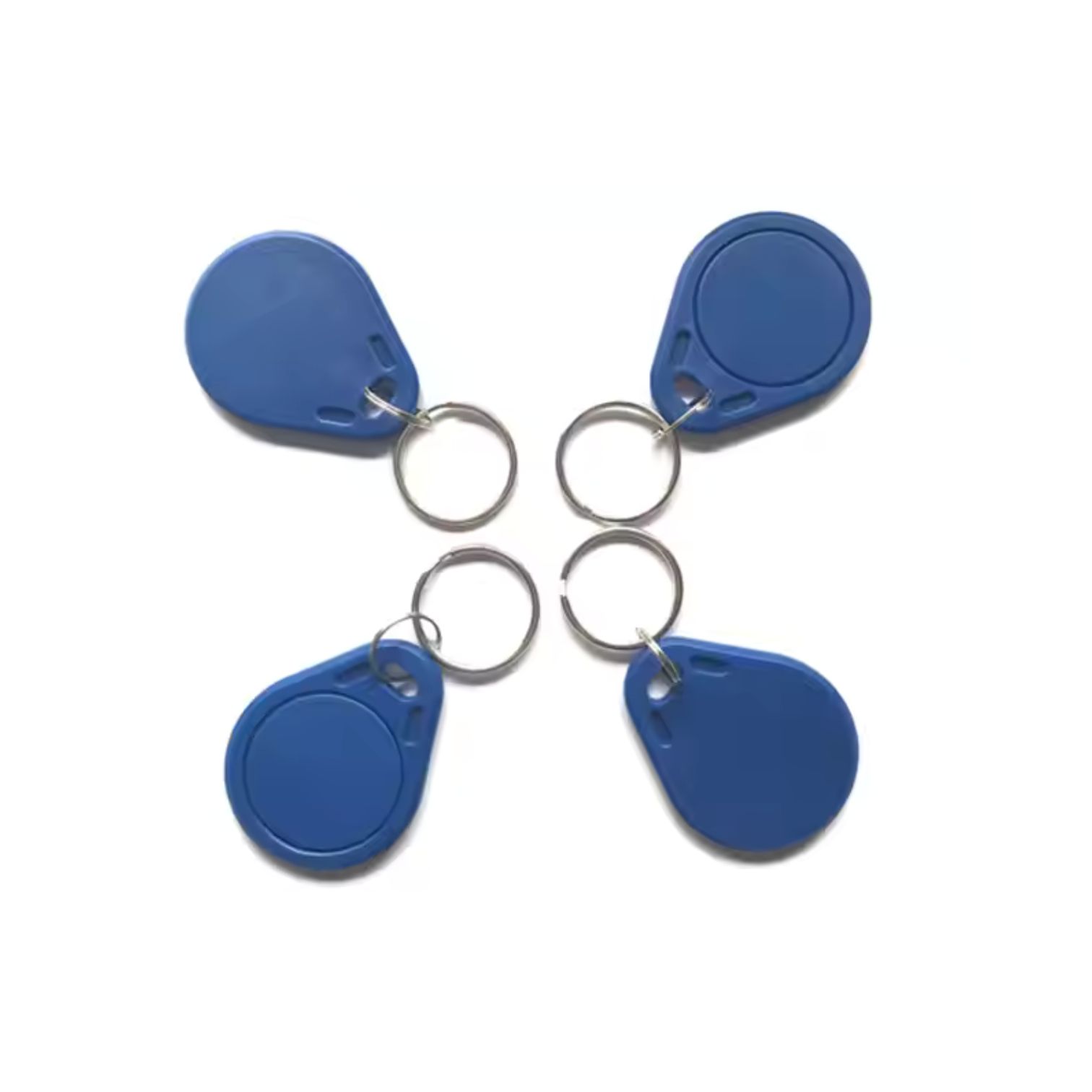
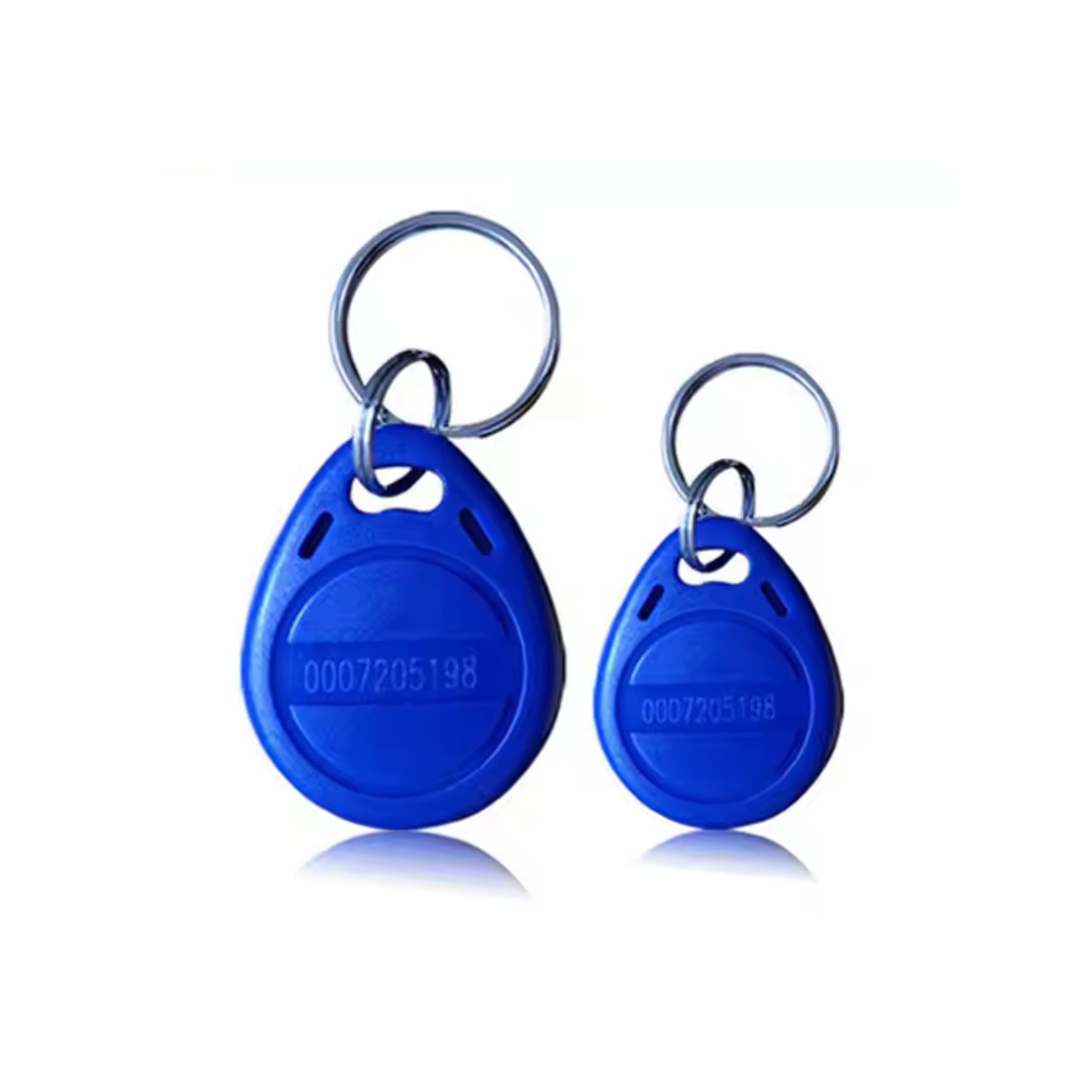
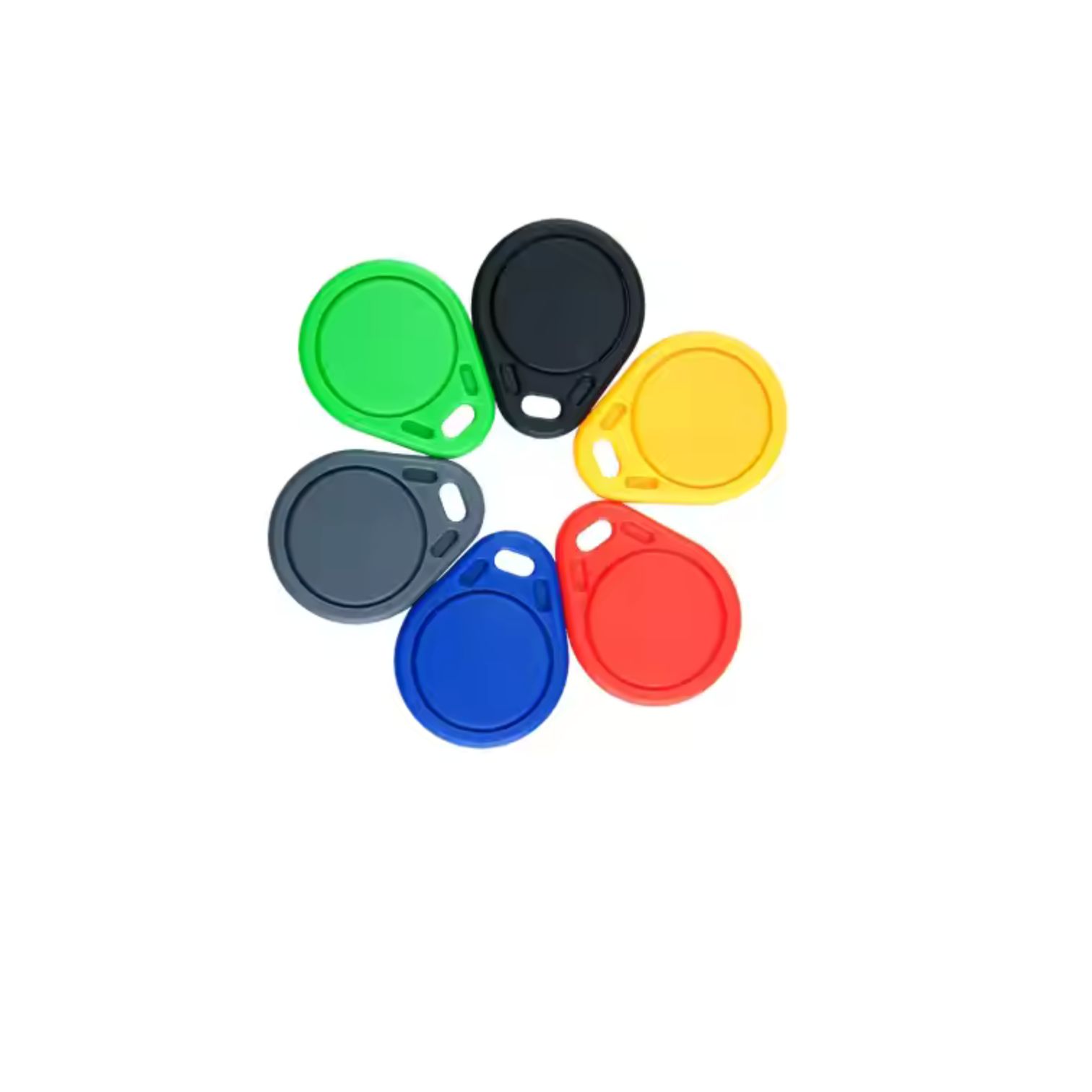
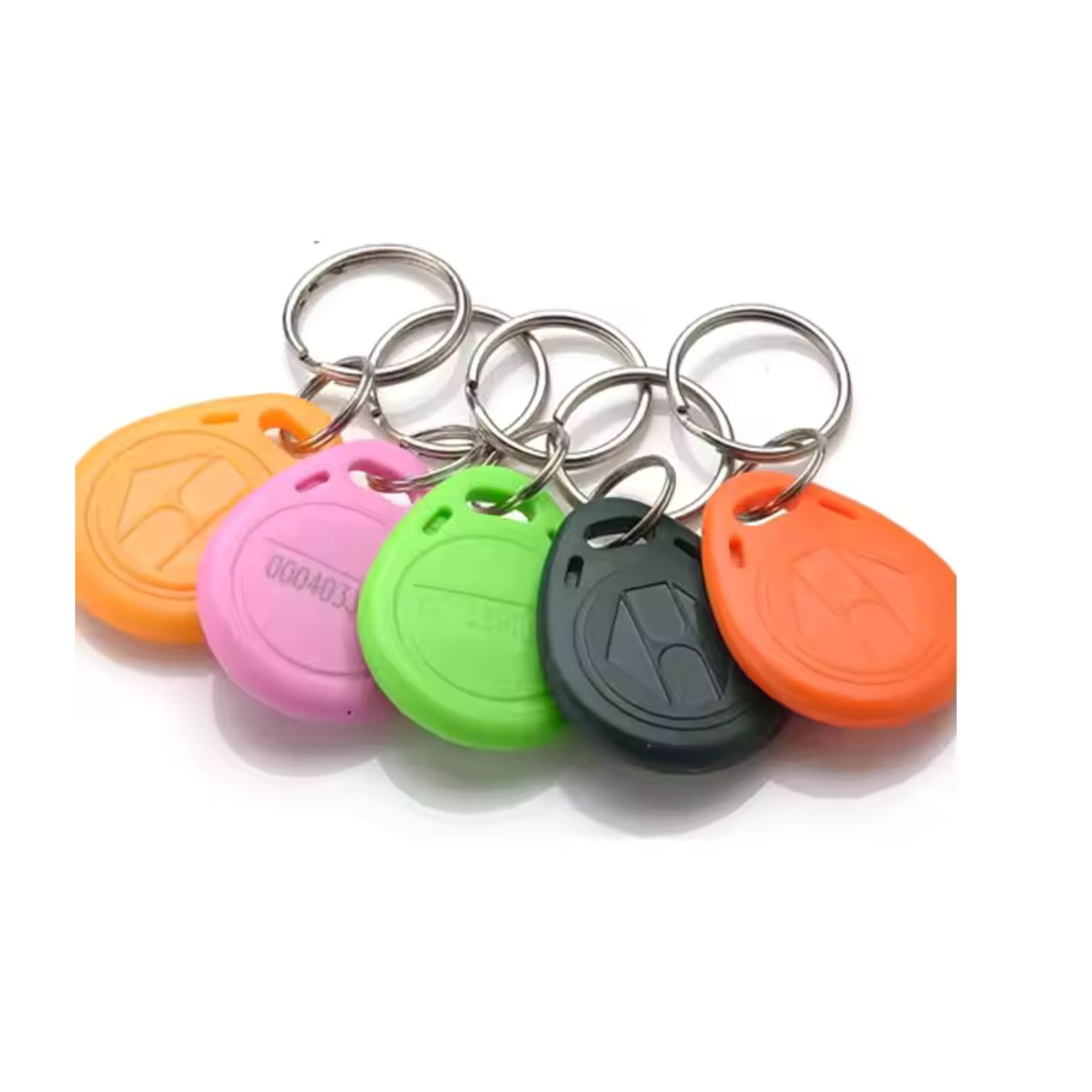
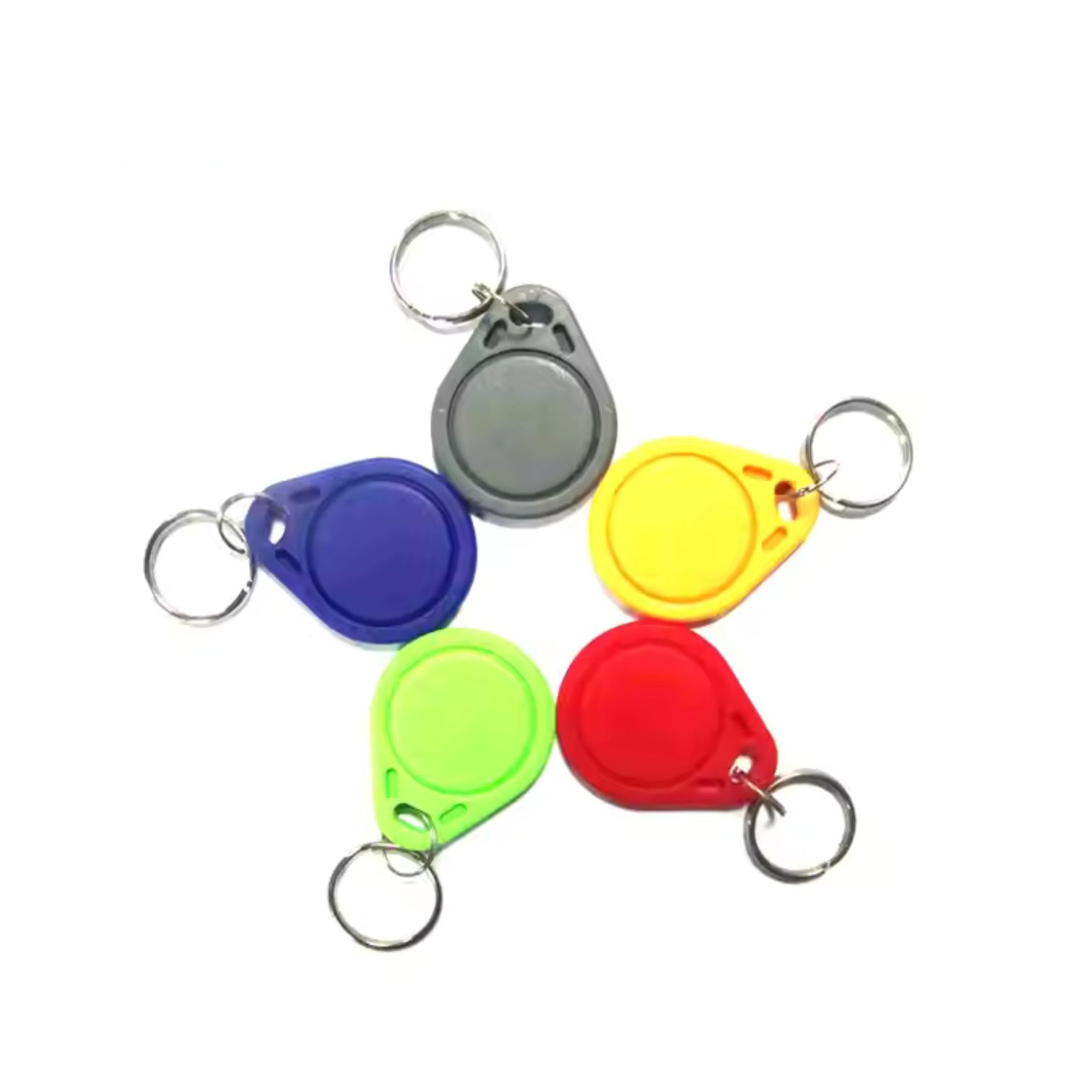

13.56MHZ ISO RFID ABS Key Fob Mifare Classic Transponder
MIFARE Classic Transponder Card: Advanced 13.56MHz RFID Solution
The MIFARE Classic transponder card, operating at 13.56MHz, is the gold standard in contactless smart card technology. This versatile RFID solution combines robust security features with reliable performance, making it ideal for various access control and payment applications.
Essential Technical Features and Benefits
Memory Structure:
- Total memory: 1KB organized into 16 sectors
- Each sector is protected by two different keys (A and B)
- 16 bytes per block for data storage
- Authentication algorithm for enhanced security
The Mifare Classic Transponder card utilizes NXP Semiconductors’ proven technology, ensuring compatibility with existing card readers and systems while maintaining high-security standards.
Advanced Security and Integration Capabilities
The MIFARE brand has established itself as a contactless smart card solutions leader. This transponder card features the following:
- ISO 14443A compliance for worldwide compatibility
- Secure authentication in conjunction with advanced encryption
- Multiple sector keys for differentiated access levels
- Transaction speed of approximately 100 ms
The integration capabilities make it perfect for electronic access control systems, including popular platforms like SALTO. The chip’s wireless interface enables seamless operation with various readers and NFC-enabled devices.
Versatile Applications and Product Details
This blank RFID card serves multiple purposes across different industries:
- Access Control Systems
- Building entry management
- Time attendance tracking
- Integration with electronic lock systems
- Public Transportation
- Transport ticketing solutions
- Bus and metro pass applications
- Automated fare collection
- Payment and Loyalty Programs
- Contactless payment systems
- Loyalty cards implementation
- Counter-based applications
| Technical Specifications | Details |
| Frequency | 13.56 MHz |
| Memory Size | 1K (1024 bytes) |
| Structure | 16 sectors |
| Read Range | Up to 10 cm |
| Protocol | ISO/IEC 14443A |
Using standard card printers, the card’s printable surface allows for logo, text, or image customization. This MIFARE Classic transponder enables secure and convenient transactions while maintaining the reliability that the MIFARE brand is known for. It perfectly balances functionality, security, and cost-effectiveness for system integrators and businesses looking to adopt RFID technology. With worldwide shipping and bulk ordering options, it’s an ideal choice for organizations of any size implementing smart card solutions.
Contact us today to analyze your requirements and learn how our MIFARE Classic transponder cards can enhance your security and access control systems.
Frequently Asked Question
The top questions about Mifare Classic Transponder.
RFID stands for Radio-Frequency Identification, a technology used for identifying people, animals, or objects using radio-frequency communication. This identification is facilitated by RFID tags, or transponders, each equipped with a unique identification number and, in some cases, additional memory.
Passive RFID tags are particularly cost-effective, priced at around €0.05, and do not require an external power source. This affordability and ease of use make them ideal for a wide array of applications, including logistics, inventory management, supply chain operations, automation, marketing, and many other fields.
An RFID tag is a chip or transponder equipped with an antenna that amplifies radio signals. Typically, an RFID tag resembles a label with a visible circuit. When adhesive, it is known as a “wet inlay,” and when non-adhesive, it is called a “dry inlay.”
Active Tags
Active tags come with an internal battery, which is typically used to boost transmission power and extend the reading distance. A common example of active tags is the Bluetooth Beacon.
Passive Tags
Passive tags lack an internal power source and instead use a capacitor. Once charged, this capacitor generates an electromagnetic field that transmits the information stored in the chip. An RFID reader powers and reads the tag in a fraction of a second. Passive tags are the most common type because they do not require a battery.
For a complete overview, there are also semi-active tags. These tags have a power supply that is not used for radio circuits but rather for additional features such as temperature or motion sensors.
RFID tags are read or detected using specialized fixed or mobile devices known as RFID readers. These readers activate the transponder through induction or electromagnetism, prompting it to transmit the stored information. RFID readers can come with either an integrated or an external antenna. Some models allow multiple antennas to be connected to a single reader, enabling the identification of tags at various locations or providing precise coverage of a specific area.
RFID technology operates at various frequencies, each with unique characteristics and governed by ISO standards. Here are the most common RFID frequency categories:
125/134 kHz – RFID LF (Low Frequencies): Governed by the ISO 18000-2 standard, these low-frequency tags have a reading distance of a few centimeters and a low data transmission speed. They are primarily used for animal identification, vending machines, burglar alarms, and access control.
13.56 MHz – RFID HF (High Frequencies): Governed by the ISO 18000-3 standard, these high-frequency tags have a reading distance of up to 10 centimeters and a low to medium data transmission speed. This frequency is also known as NFC (Near Field Communication) and is increasingly popular because many smartphones can act as readers, enabling various innovative applications.
860-960 MHz – RFID UHF (Ultra High Frequencies): Governed by the ISO 18000-6 standard, UHF tags have a reading distance of several meters, even with passive tags. There are variations between UHF readers using US and European standards, but the RAIN standard ensures compatibility with both. UHF tags are widely used for logistics, inventory management, timekeeping, and access control.
5.8 GHz – RFID SHF (Super High Frequencies): Governed by the ISO 18000-5 standard, this is the highest RFID frequency range. It includes only active tags with internal batteries, allowing detection distances of hundreds of meters. A common example of SHF tags is those used for electronic toll collection (ETC).
Low-frequency (LF) readers are typically designed to read one tag at a time, such as the ID of a single livestock ear tag. In contrast, high-frequency (HF) and especially ultra-high frequency (UHF) readers are capable of reading multiple RFID tags simultaneously. This allows them to efficiently scan a stack of tagged books or a pallet of goods as they pass through a reader gate.
The most affordable RFID tags can cost just a few cents and are typically designed as adhesive labels. These low-cost tags are often used in retail or logistics for single-use applications in non-durable settings. The price of RFID tags can vary based on factors such as the chip’s capabilities, memory size, and durability against conditions like heat, impact, freezing, sunlight, and chemicals. Costs can range up to several dollars depending on these factors. Additionally, active tags, which include a battery, are generally more expensive than passive tags.
Related Products
Customize any types RFID tags from our factory to meet your own requirements.