

RFID Tags for Laundry and Textile Management
Washable UHF Laundry Tags for Reusable Textiles
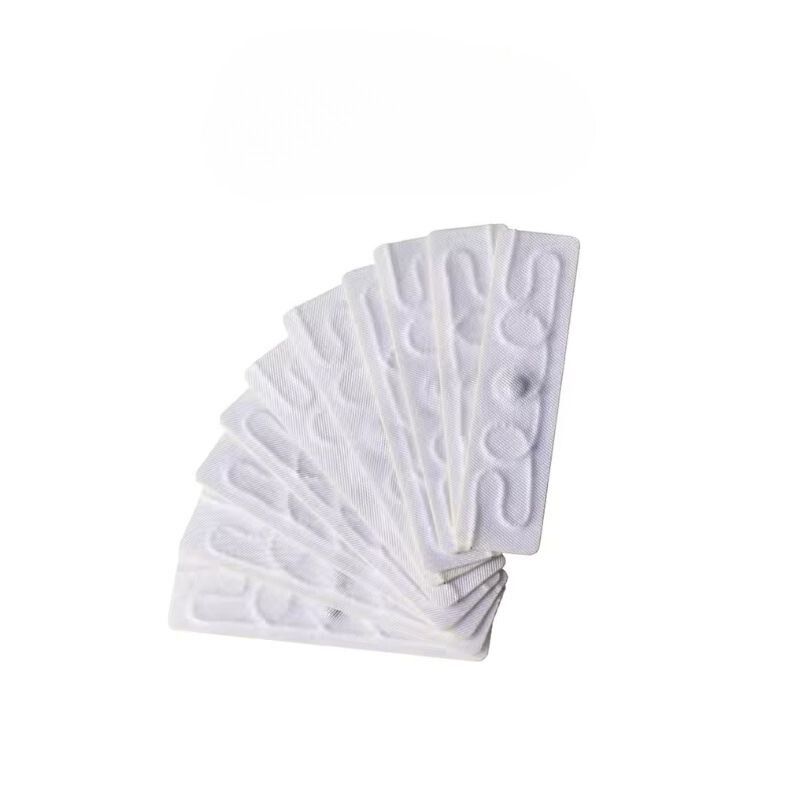
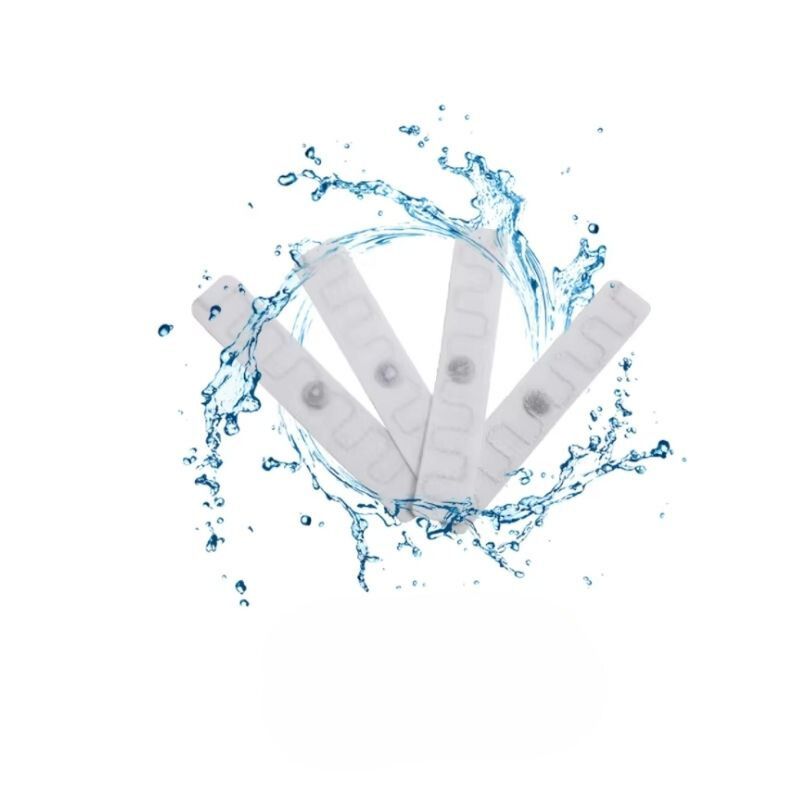
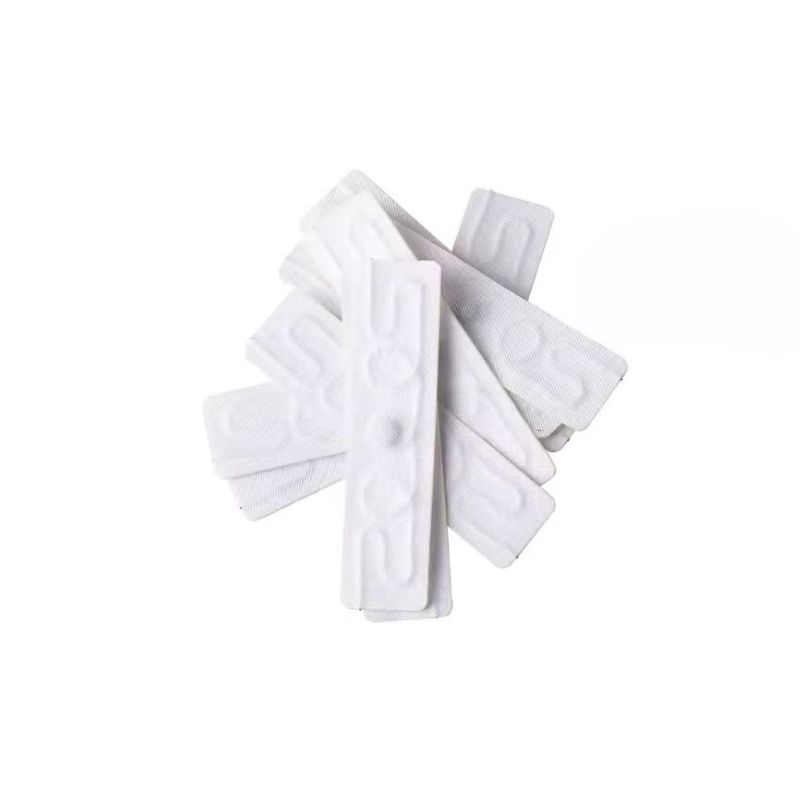
RFID tags for laundry are passive UHF identifiers used to track reusable textiles during collection, washing, sorting, storage, and delivery.
Compatible RFID readers can identify multiple tagged items within one read zone, reducing the need to scan each textile individually.
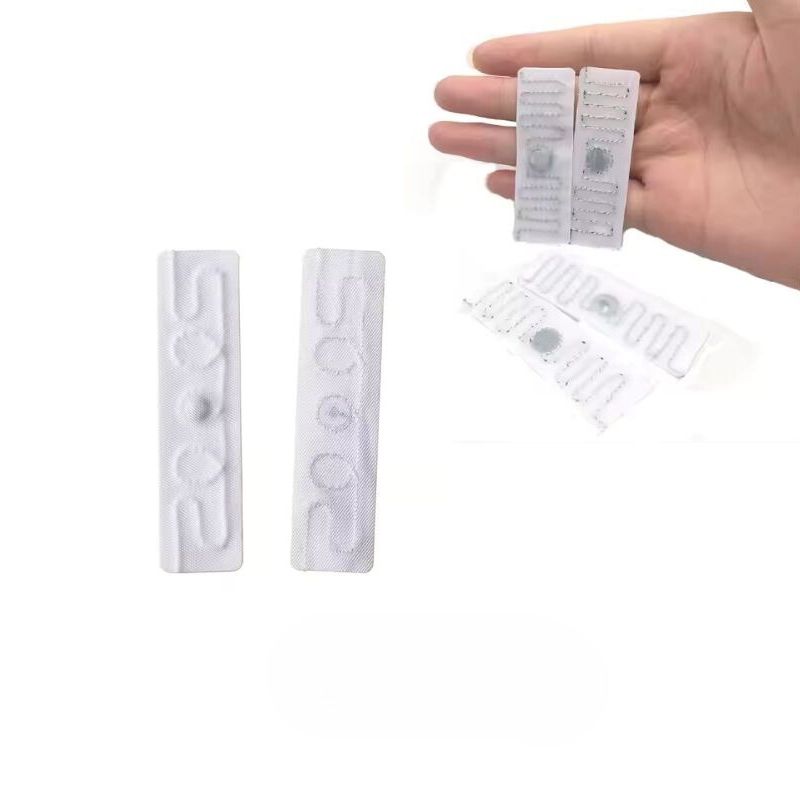
Flexible textile tags and encapsulated PPS tags are available for different laundry processes, textile types, and attachment requirements.
Technical Specifications
| Feature | Specification |
|---|---|
| Product Type | Washable RFID tags for laundry |
| Primary Use | Reusable textile identification and laundry inventory management |
| Frequency | UHF 860–960 MHz |
| Protocol | EPC Gen2 / ISO 18000-6C |
| Read Range | Up to 8 m, depending on tag model, reader, antenna, and environment |
| Wash Durability | 200+ industrial wash cycles |
| Operating Temperature | -25°C to +85°C; confirm for the selected model |
| Material Options | High-performance textile or PPS, depending on model |
| Attachment Options | Sew-in or heat-seal, depending on model |
| Waterproof Rating | IP68, subject to defined product test conditions |
| Data Retention | 10 years |
| Reader Compatibility | Compatible EPC Gen2 UHF readers configured for the applicable frequency region |
| Custom Options | Tag construction, size, encoding, numbering, attachment method, and packaging |
Wash durability and RFID performance should be tested under the actual washing temperature, detergent, drying, ironing, textile-stacking, and reader conditions.
Typical Applications
- Hotel Linen Management
Hotels use RFID tags for laundry to identify sheets, pillowcases, duvet covers, towels, bathrobes, banquet linen, and staff uniforms. - Commercial Laundry Services
Commercial operators use RFID tags for laundry to associate textiles with customer accounts, processing batches, collection points, and delivery records - Healthcare Textiles
Hospitals and care facilities can track reusable bedding, gowns, scrubs, towels, blankets, and other washable textile assets. - Uniform and Workwear Rental
Rental providers can connect garments to customers, wearers, sizes, issue dates, repair records, and replacement schedules. - Restaurant and Catering Linen
Tablecloths, napkins, kitchen textiles, and service uniforms can be recorded during collection, cleaning, storage, and redistribution.
How Hotels Track Linen with RFID Tags for Laundry
In a hotel laundry system, each tag identifier is linked to a linen record in the management database.
Readers placed at intake, sorting, clean-linen storage, and dispatch points record RFID tags for laundry as textiles move through the workflow. Staff can compare scanned totals with expected quantities and investigate missing or incorrectly routed items.
This is checkpoint-based identification rather than continuous location tracking. Results depend on tag placement, textile stacking, moisture, antenna layout, reader power, and software configuration.
Textile UHF Laundry Tag vs PPS Laundry Tag
| Comparison Point | Textile UHF Laundry Tag | PPS Laundry Tag |
|---|---|---|
| Construction | Flexible textile or woven structure | Encapsulated PPS body |
| Flexibility | Soft and low profile | Firm and relatively rigid |
| Typical Attachment | Sew-in or heat-seal, depending on model | Usually sewn into a seam or pocket |
| Comfort | Better suited to garments and flat linen | More noticeable in thin textiles |
| Mechanical Protection | Depends on textile construction | Stronger encapsulation around the chip and antenna |
| Suitable Items | Sheets, garments, uniforms, towels, and flat linen | Workwear, towels, seams, pockets, and durable textile assets |
| Main Selection Factor | Flexibility and low-profile integration | Encapsulation and mechanical protection |
Choose a textile UHF laundry tag when flexibility, wearer comfort, or heat-seal attachment is important.
Choose a PPS tag when the textile can accommodate a firmer tag and greater mechanical protection is required.
Need Bulk RFID Tags for Laundry Management?
Contact JIA RFID with your textile categories, washing conditions, RFID reader setup, and preferred attachment method.
The team can recommend a textile or PPS tag construction and prepare samples for wash-cycle and read-performance testing. This helps buyers evaluate bulk RFID laundry tags for hotel management before production.
Frequently Asked Question
The top questions about RFID tags for laundry.
RFID tags for laundry are washable identifiers that connect reusable textiles to digital inventory, ownership, processing, or service records.
A compatible UHF reader activates the passive tag and receives its encoded identifier. Laundry software then links that identifier to a textile item, customer, batch, or wash history.
Yes. UHF RFID supports multi-tag identification. The number of tags captured depends on the reader, antennas, textile arrangement, moisture, and system configuration.
The published specification is 200+ industrial wash cycles. Actual service life depends on washing temperature, detergent concentration, extraction pressure, drying, ironing, attachment quality, and handling.
The specified maximum is up to 8 meters. Actual distance varies according to the tag model, reader power, antenna placement, textile density, and environment.
No. Heat-seal availability depends on the tag construction. Some models are designed only for sewing into a seam or pocket.
The tag remains attached to the same reusable textile throughout its service life. It is not normally transferred between different items.
The minimum order quantity is 1000 pcs.
Confirm the textile type, laundry process, maximum temperature, chemicals, drying or ironing conditions, attachment method, required read distance, reader model, and encoding format.
Related Products
Customize RFID Laundry Tags from our factory to meet your own requirements.