
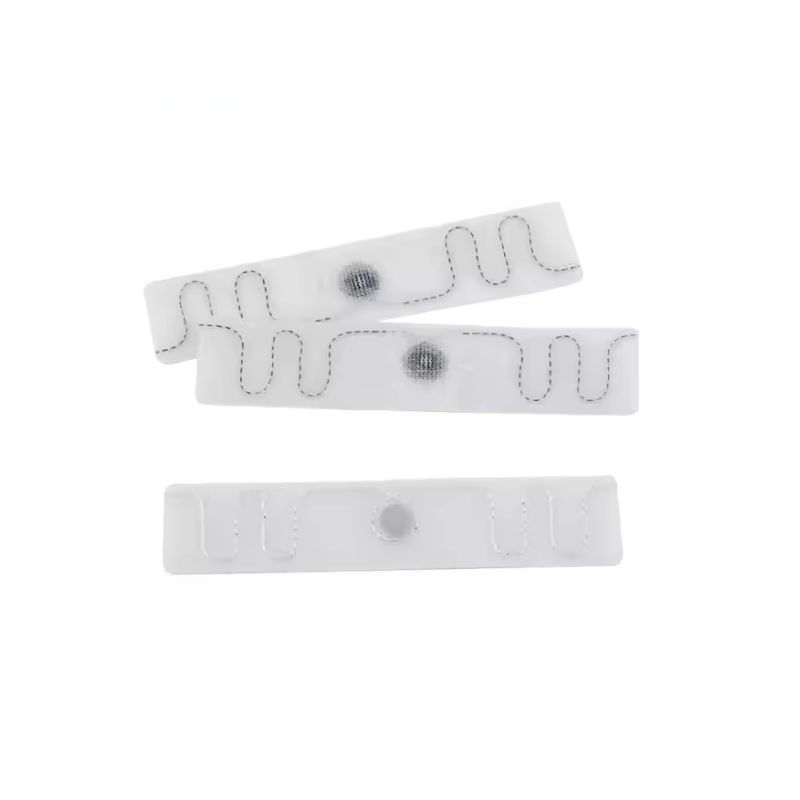
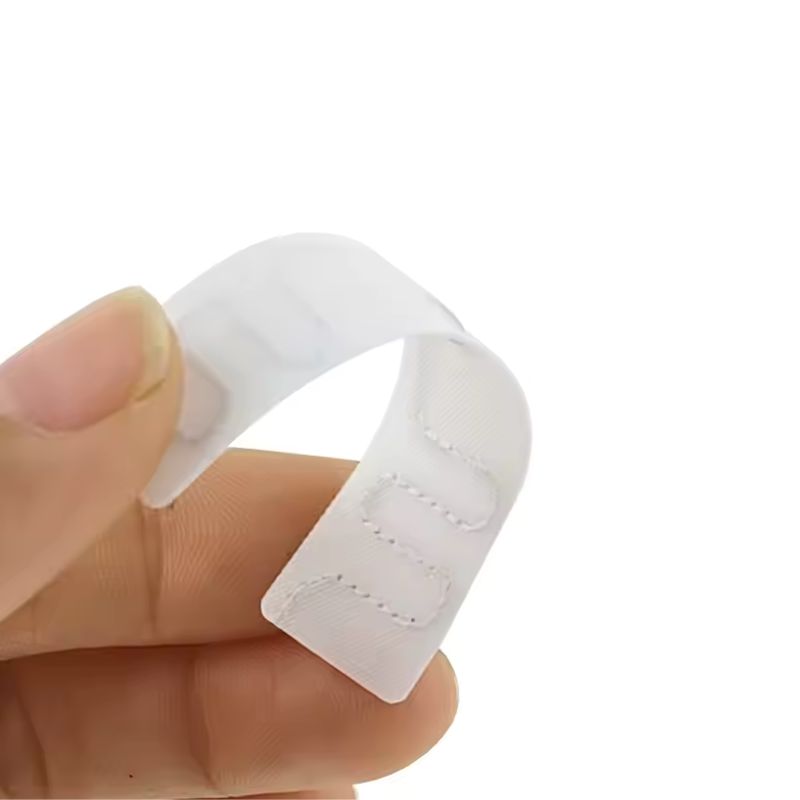
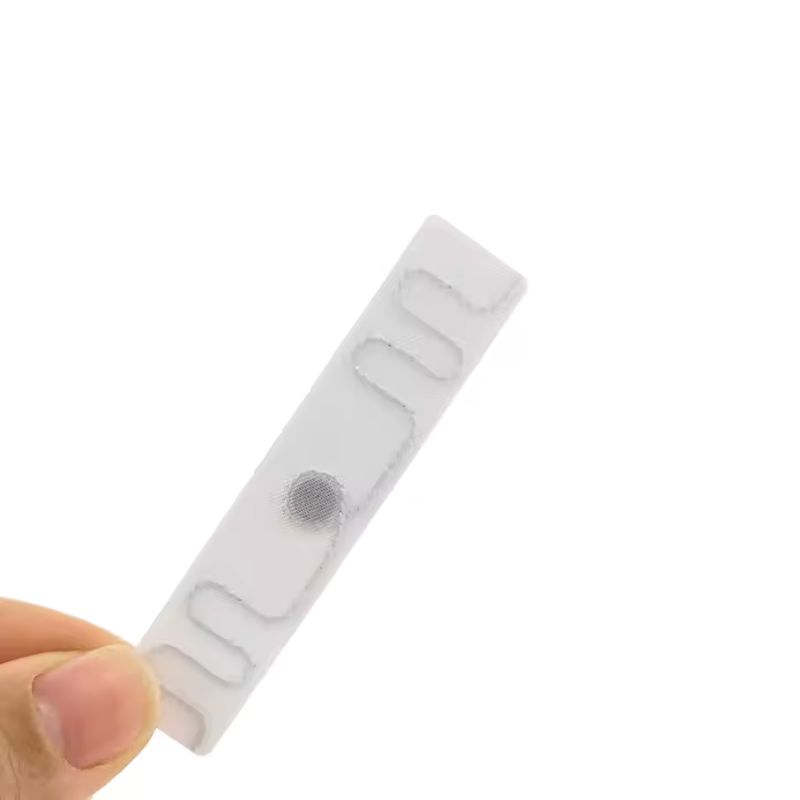
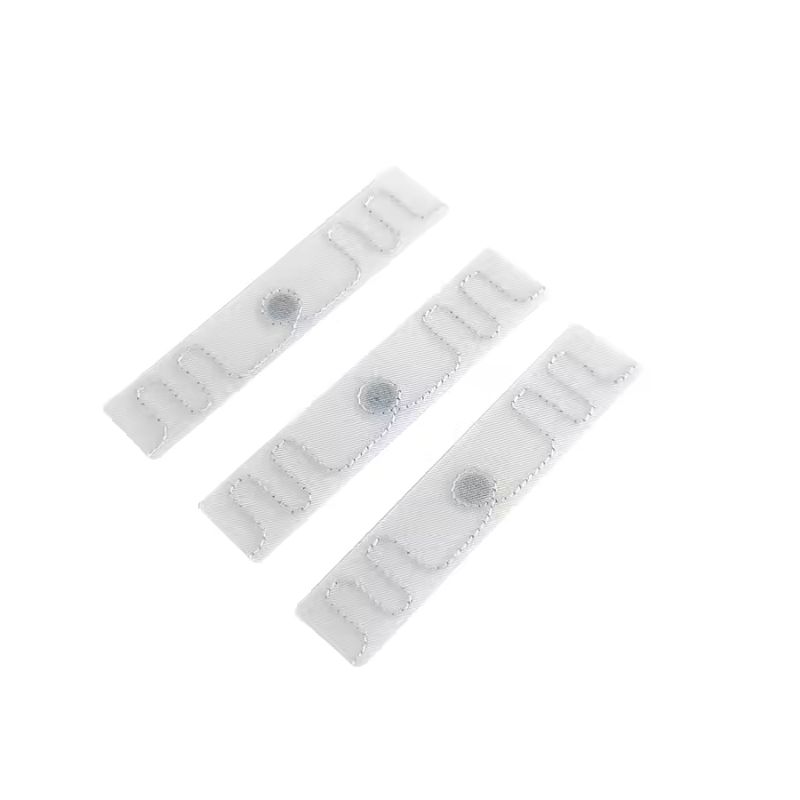
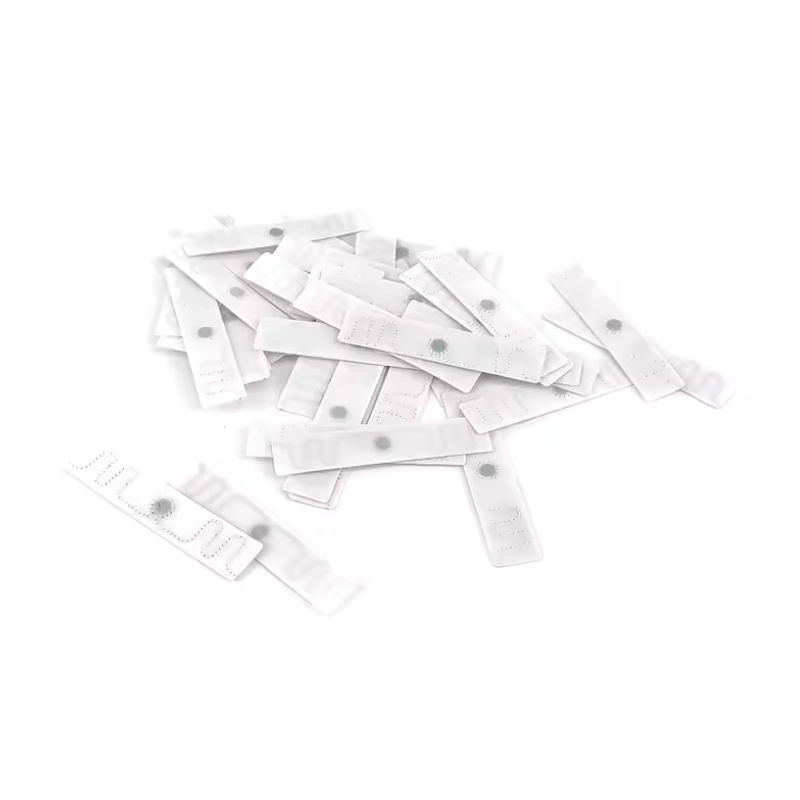

RFID Textile Tags for Laundry Tracking
What Are RFID Textile Tags
RFID textile tags are washable UHF RFID tags used to identify and track fabric assets such as hotel linens, towels, uniforms, robes, bedding, and workwear. Each tag carries a unique RFID identity. It can be linked to item type, ownership, and usage history.
When used with UHF RFID readers and software, the tags support linen tracking technology. They are also widely used in RFID laundry management systems for textile tracking across washing, drying, sorting, and return.
The tags can be sewn into seams, attached to textile labels, or heat-sealed onto fabric depending on the application.
RFID textile Tag Technical Specifications
| Item | Specification |
|---|---|
| Product Type | UHF RFID Textile Tag |
| RFID Protocol | EPC Global Gen2, ISO 18000-6C |
| Frequency | UHF 860–960 MHz |
| Read Range | Up to 10 meters, depending on reader, antenna, tag placement, and environment |
| Memory | User memory up to 512 bits |
| Wash Durability | 200+ industrial laundry cycles |
| Operating Temperature | -40°C to +85°C |
| Material | High-performance washable textile |
| Attachment Method | Sew-on or heat-seal |
| Compatible Systems | UHF RFID readers and RFID laundry management software |
| Typical Assets | Sheets, towels, uniforms, robes, bedding, garments |
| Custom Options | Logo printing, EPC encoding, numbering, size, color, chip selection, packaging |
| Minimum Order Quantity | 1000 pcs |
Specifications may vary by tag size, chip option, attachment method, and laundry environment.
Sample testing is recommended before full deployment.
Applications of RFID textile Tags
- Hotel Linen Tracking
Hotels use RFID textile tags for sheets, towels, pillowcases, duvet covers, bathrobes, table linens, and staff uniforms.
This helps housekeeping teams compare room demand, linen room stock, outsourced laundry returns, and retired textile items. - Commercial Laundry Management
Commercial laundry providers use RFID tags to record textile status for different customers and service batches.
This is useful when one laundry facility processes items from hotels, hospitals, factories, spas, gyms, and rental programs at the same time. - Healthcare Textile Control
Hospitals and clinics use RFID textile tags for scrubs, gowns, patient clothing, bedding, blankets, and reusable medical textiles.
The tags help separate textile categories by department, ward, supplier, or service status. - Uniform and Workwear Tracking
Uniform rental companies use RFID textile tags to connect garments with customers, departments, employees, sizes, or service cycles.
This supports garment assignment, return checks, replacement planning, and billing records.
Hotel Linen Dispatch and Return
A hotel sends towels, sheets, pillowcases, and robes to an external laundry provider every day. Without item-level records, staff may only know the total quantity sent and returned, not which individual textiles are missing.
With RFID textile tags, each linen item can be scanned before dispatch and after return. The system records the item ID, textile type, movement status, and wash history.
This creates a clear dispatch-and-return record between housekeeping, storage rooms, and the laundry supplier.
How to Select the Right RFID Textile Tag
Choose an RFID textile tag based on the textile item, wash process, attachment method, RFID system, and data requirements.
| Selection Factor | What to Check |
|---|---|
| Textile Type | Towel, sheet, robe, uniform, bedding, garment, or workwear |
| Attachment Method | Sew-on or heat-seal, depending on fabric and laundry process |
| Wash Conditions | Temperature, detergent, chemical exposure, drying, ironing, and pressure |
| RFID System | Reader type, antenna position, software platform, and required read distance |
| Data Requirement | EPC encoding, numbering, user memory, or customer-specific format |
| Quantity | MOQ 1000 pcs; larger orders can be quoted by project requirement |
| Customization | Logo, size, color, chip option, packaging, or batch numbering |
For hotel towels and sheets, sew-on tags are often placed in hems or seams. For uniforms and workwear, tag placement should avoid high-friction areas and direct skin contact.
Ready to Improve Textile Visibility and Reduce Manual Linen Counting?
Share your textile type, quantity, attachment method, wash conditions, and RFID system details. Our team will recommend a suitable RFID textile tag for testing and prepare a project quotation.
Frequently Asked Question
The top questions about RFID textile.
An RFID textile tag is used to assign a unique digital identity to washable fabric items. It helps track textile inventory, ownership, and service history.
RFID allows linen items to be recorded individually instead of only by total quantity. This helps hotels and laundries check item movement and usage history.
RFID laundry management uses RFID tags, readers, and software to track textile items through laundry collection, washing, sorting, storage, delivery, and return.
Yes. They are designed for common hotel linen and garment assets, including room, bath, banquet, and staff textile items.
The tags are designed for 200+ industrial laundry cycles, depending on wash temperature, chemicals, drying conditions, pressure, and attachment method.
They support EPC Global Gen2 and ISO 18000-6C UHF RFID standards.
The read range can reach up to 10 meters, depending on the RFID reader, antenna, tag placement, textile material, and operating environment.
Yes. Custom options include logo printing, EPC encoding, numbering, size, color, chip selection, and packaging
Yes. Sew-on attachment is commonly used for linens, towels, uniforms, and garments.
Yes. Heat-seal attachment is available for suitable textile materials. Testing is recommended before bulk use.
They work with UHF RFID readers that support EPC Gen2 / ISO 18000-6C. Reader setup, antenna position, and tag placement affect performance.
The minimum order quantity is 1000 pcs.
Related Products
Customize Laundry RFID Tags from our factory to meet your own requirements.