
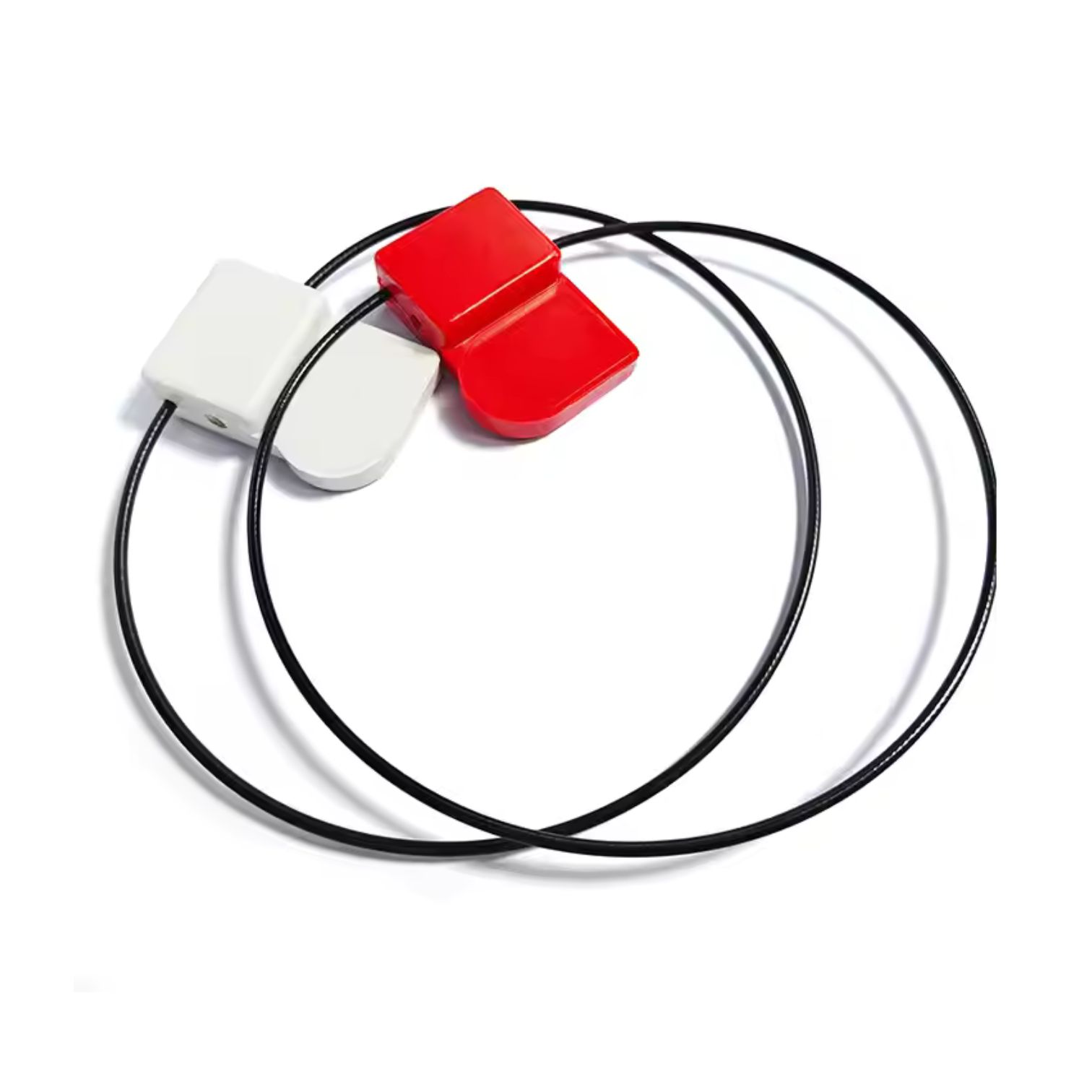
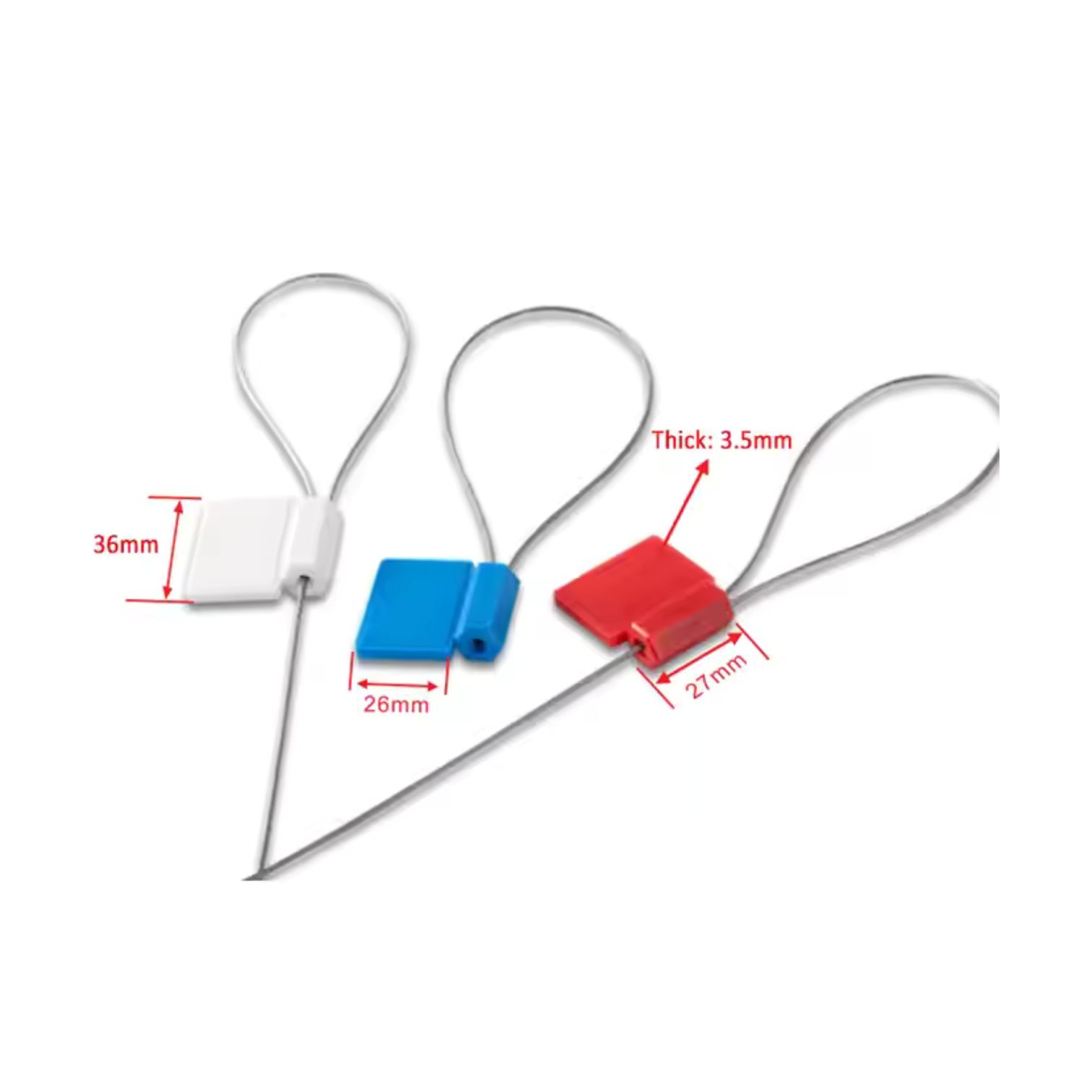
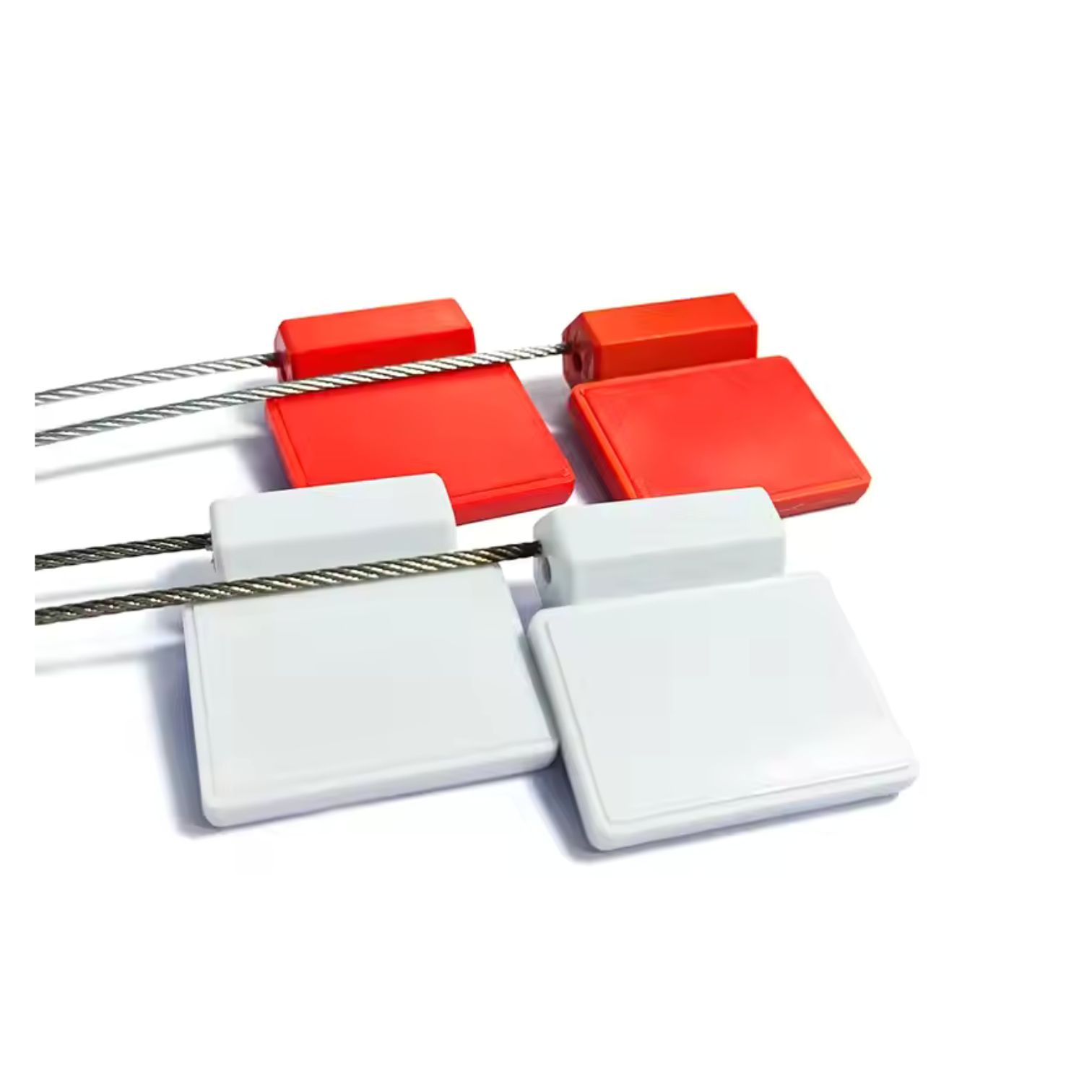
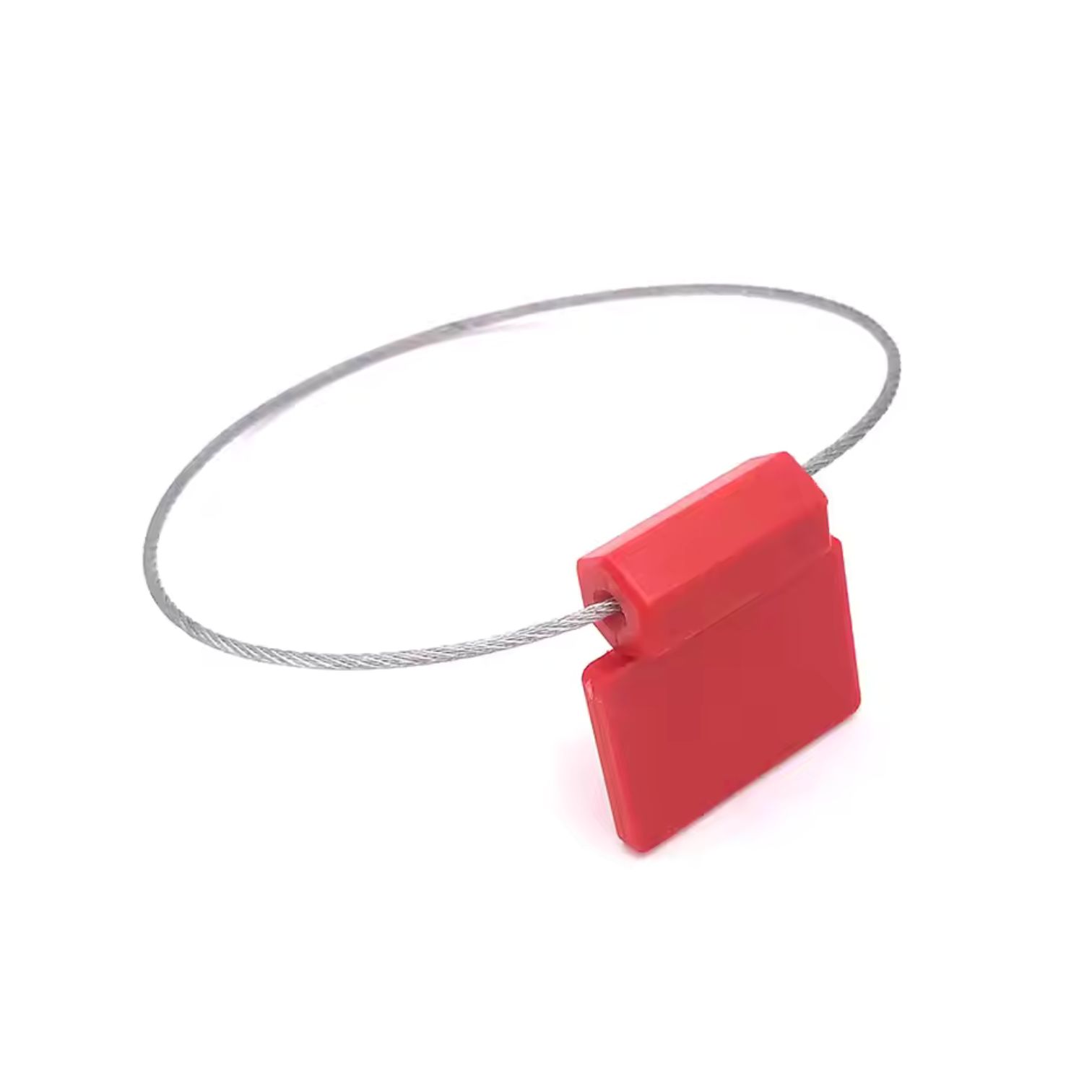
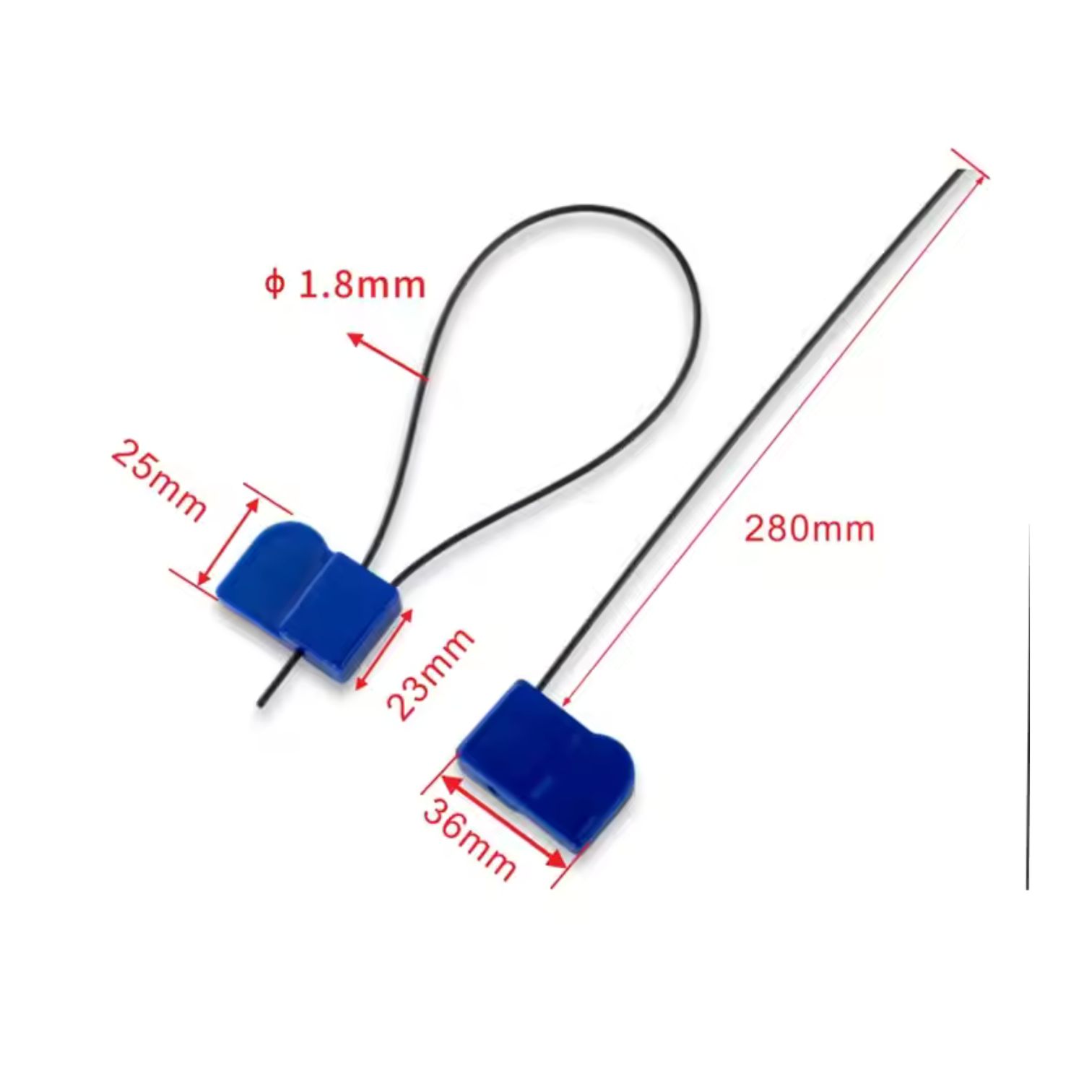

RFID Container Seal for Cargo Tracking
Passive UHF RFID Container Seal for Logistics Checkpoints
An RFID container seal is a tamper-evident security seal with an integrated passive UHF RFID transponder.
It is used to identify sealed cargo at RFID checkpoints without opening the container door, truck door, or cargo lock point.
JIA RFID supplies RFID container seals for logistics projects that need physical sealing, electronic identification, serial-number marking, and shipment-record matching.
Technical Specifications
| Feature | Specification |
|---|---|
| Product Type | RFID container seal / RFID security seal |
| RFID Type | Passive UHF RFID |
| Frequency | UHF 860–960 MHz |
| Protocol | EPC Gen2 / ISO 18000-6C compatible |
| EPC Memory | 96-bit EPC |
| Reading Range | Up to 10 m, depending on reader, antenna, environment, and seal position |
| IP Rating | IP67 |
| Operating Temperature | -40°C to +85°C |
| Seal Function | Tamper-evident physical sealing with RFID identification |
| Printing Options | Laser printing, serial number, barcode, QR code, logo, or custom text |
| Data Options | EPC encoding, UID matching, seal number matching, shipment ID, container ID, or database association |
| Reader Options | Fixed UHF reader, handheld UHF reader, or RFID gate reader |
RFID seal tracking performance depends on the seal position, container material, reader antenna setup, tag orientation, and software workflow.
Typical Applications
- Container Door Sealing
Used for container doors where each seal needs a visible serial number and RFID identity for checkpoint verification. - Truck and Trailer Logistics
Used on cargo doors, trailer locks, and transport routes where shipments are checked at dispatch, arrival, or transfer points. - Railway Cargo Tracking
Used for rail cargo sealing when operators need to match seal numbers with wagon, route, or shipment records. - Warehouse and Yard Control
Used at warehouse gates, bonded areas, distribution centers, and logistics yards to verify sealed cargo movement. - High-Value Shipment Protection
Used for electronics, pharmaceuticals, luxury goods, customs cargo, and other shipments that require seal accountability.
How RFID Seal Tracking Works in Container Logistics
At dispatch, the RFID container seal is attached to the container door or cargo locking point.
The seal number and EPC code can be linked to the container number, shipment ID, driver record, route, or warehouse order.
At each checkpoint, a fixed reader, handheld reader, or RFID gate reads the seal. The system compares the scanned RFID data with the expected shipment record.
If the physical seal number, RFID code, or shipment record does not match, the operator can inspect the cargo before release.
RFID Container Seal vs Standard Cable Seal
| Comparison Point | RFID Container Seal | Standard Cable Seal |
|---|---|---|
| Identification Method | RFID code plus visible seal number | Visible seal number only |
| Reading Method | Contactless read by UHF reader | Manual visual inspection |
| Data Capture | Can be linked to shipment software | Usually entered manually |
| Checkpoint Efficiency | Faster at RFID gates or handheld scans | Slower for large cargo volumes |
| Tamper Evidence | Physical seal evidence plus electronic verification | Physical seal evidence |
| Best Fit | Electronic seal verification and logistics checkpoints | Simple visual seal inspection |
A standard cable seal is suitable when only physical sealing and visual checking are required.
An RFID container seal is more suitable when the logistics process needs faster checkpoint reading, electronic records, and seal-to-shipment data matching.
How to Specify RFID Container Seals for Projects
| Project Requirement | What to Confirm | Why It Matters |
|---|---|---|
| Seal Location | Container door, truck door, trailer lock, or cargo latch | The lock point affects seal size, cable length, and antenna position |
| Cable Length | Required locking distance and loop size | A cable that is too short or too long may affect installation and handling |
| RFID Reading Point | Loading dock, gate, yard entrance, customs point, or delivery site | The read point determines whether handheld, fixed, or gate readers are needed |
| Reader Environment | Metal container, outdoor gate, warehouse door, or vehicle lane | Metal surfaces and antenna angle can affect read performance |
| Data Format | EPC code, seal number, container ID, shipment ID, or database record | The RFID data should match the logistics software workflow |
| Visible Marking | Laser serial number, barcode, QR code, logo, or custom text | Visible marking supports manual inspection when RFID reading is not available |
| Inspection Rule | Match RFID code only, seal number only, or both | This defines how operators verify seal status at checkpoints |
Before bulk production, test sample RFID container seals with the actual reader, antenna position, container material, and software record format.
Need RFID Container Seals for Logistics Checkpoints?
Contact JIA RFID with your seal size, cable length, reader model, encoding format, printing content, and expected reading distance.
The team can check RFID compatibility, seal structure, numbering format, and sample testing requirements before bulk production.
Frequently Asked Question
The top questions about RFID container seal
An RFID container seal is a tamper-evident seal with an embedded RFID transponder. It provides physical sealing and electronic identification at logistics checkpoints.
RFID seal tracking is the process of reading the RFID code of a sealed container, truck, or cargo unit at defined checkpoints and matching it with shipment records.
Passive RFID seal tracking is reader-based. The seal is recorded when it is scanned by a fixed reader, handheld reader, or RFID gate. Continuous location tracking requires GPS or active tracking equipment.
RFID container seals provide tamper-evident sealing and electronic identification. Tamper status depends on the seal design, inspection process, reader capture, and software rules.
Reading distance depends on the reader, antenna, seal position, tag orientation, surrounding metal, and checkpoint environment.
Provide the seal size, cable length, reader model, frequency region, EPC encoding format, printing content, application environment, and order quantity.
Related Products
Customize any types RFID tags from our factory to meet your own requirements.